
Rollerskate DIY zine
Words by Jessica Holland
Hearing about a concrete bowl in Mexico built by two OG roller derby skaters was probably the beginning of my Rollerskate DIYs project, although I could point to many different start points. I had interviewed Skate Wytch about her DIY involvement for the zine Staple Gun back in 2020, I had got involved with various wood and concrete projects here in London, and I was hungry to connect with people who felt similarly to me — that roller skating could be an entrypoint into a whole world of anarchic community-building and skill sharing.
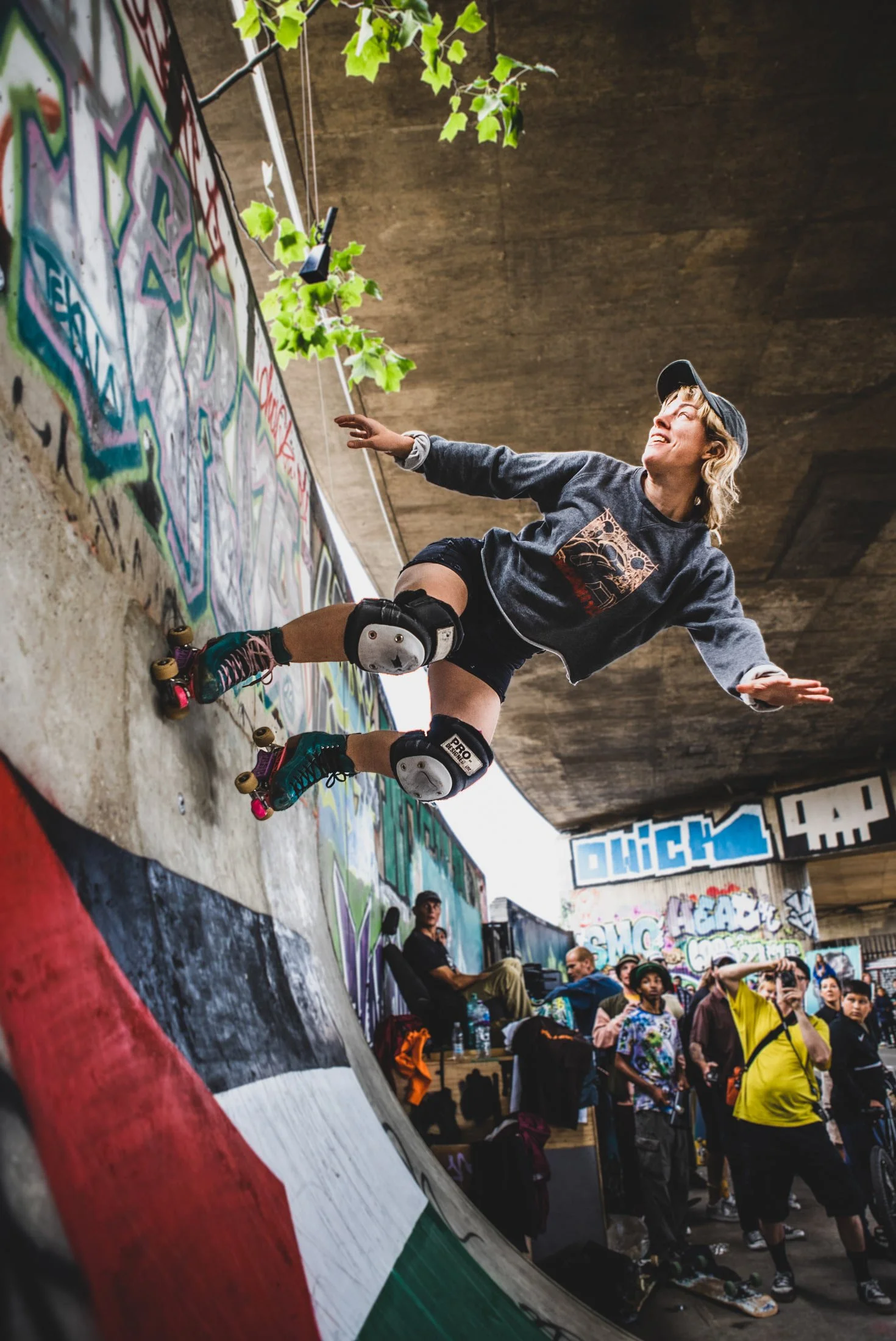
Jess at Downside jam 2025. By ©Sarah Emma Smith
At the same time, I’m shy. It’s easier for me in some ways to create a project and interact with people in formalised ways than it is just to hang out. I talk about community building, but I choose to spend a lot of time alone or with a small number of trusted people. So I was also setting myself a challenge, to get out of my comfort zone, to travel, to meet people, and to get inspired by women building or working on DIYs. I guess I have a dream to one day live somewhere where I could build my own little backyard pool bowl.
Going to La Mision in Baja California, where Trish and Ivanna live, was a wild journey. I flew in to Los Angeles, got the bus down to San Diego, and Ivanna picked me up from there to drive me across the border, except my bus never came and I ended up getting there hours late. It was unusually stormy while I was staying there and my mental health was not in good shape at the time, but there were some moments that made me forget about all that. Hearing about everything Trish and Ivanna had created, from roller derby leagues to a skate shop, Rollercon, and now skate bowls, was incredibly inspiring, as was skating their bowl and driving across the valley to their friend Ana’s pool bowl in Ensenada.
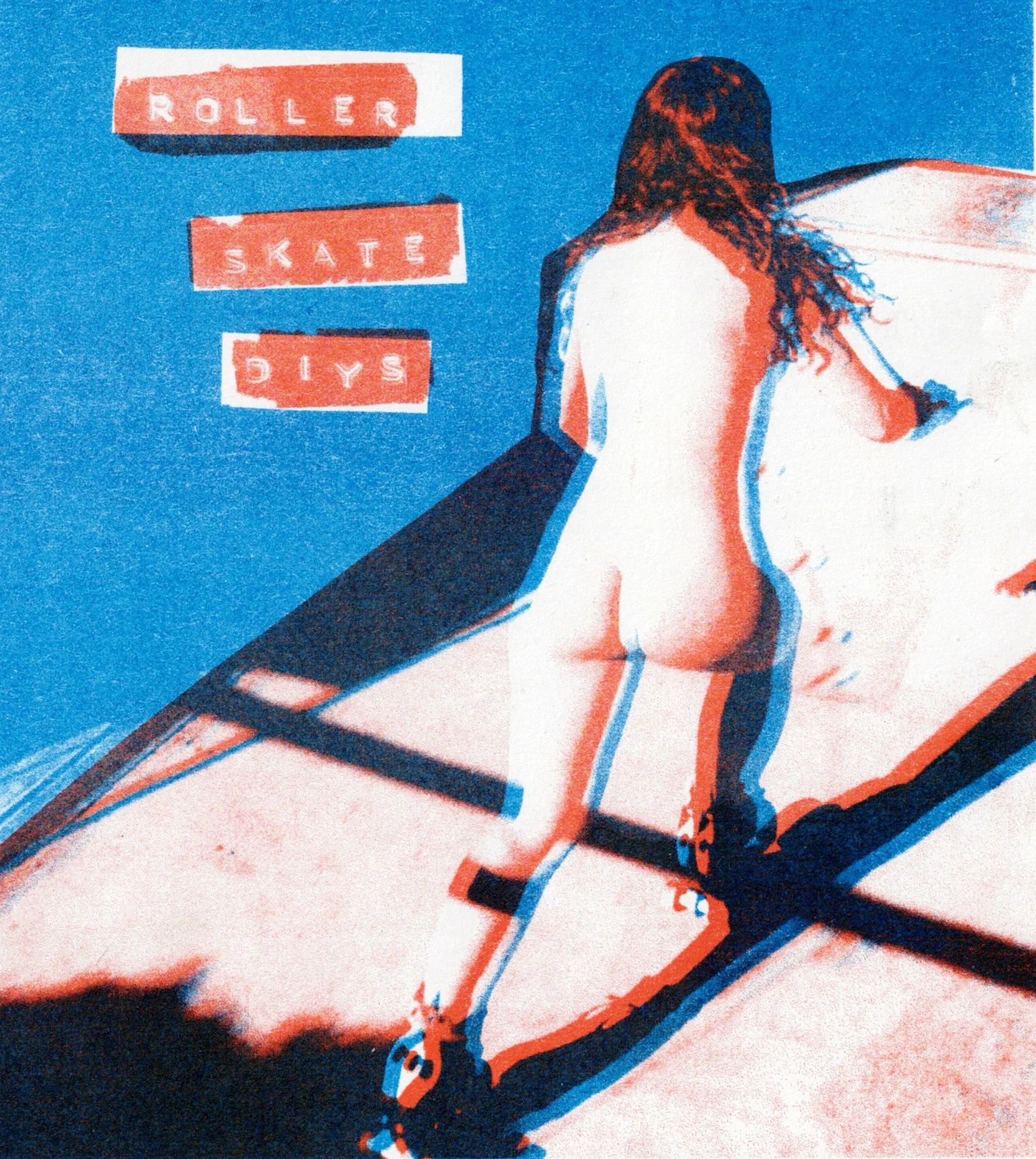
It wasn’t until two years later that I was able to get back to the project. I visited my friend Moli’s concrete backyard mini in Tenerife in January 2025, with its backdrop of mango trees, a mountainside, ocean and sky. Moli suggested a naked photoshoot to capture the feeling of freedom she had skating her ramp, and an image from that ended up becoming the zine’s cover, split into two colour layers and printed using orange and blue ink at a community risograph studio in east London. (The first 20 zines have the original riso images for the back and front cover. Subsequent prints have a scanned and laser-printed cover, although I’m saving for another riso session, perhaps with two different colours!)
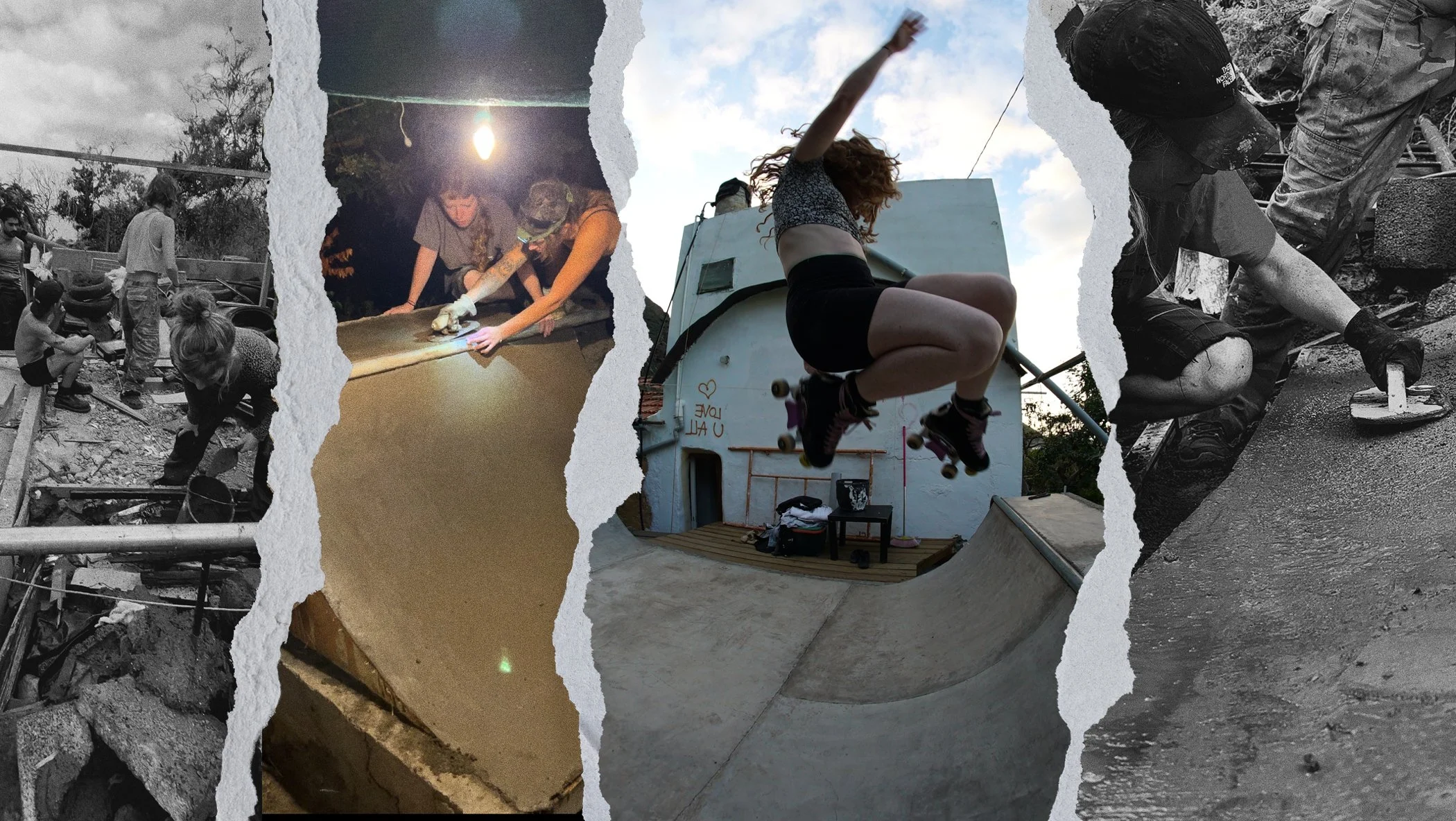
Moli’s mini ramp in Tenerife.
That summer I just decided to blow through the last of my savings/overdraft/credit card and went to Berlin and Helsinki as well. I had interviewed the Finnish skater Tuisku (known to many as Blizz) for my Substack and she’d told me about her summerhouse miniramp on a farm with a sauna cabin in the next building, and sunsets at midnight in the Nordic midsummer. It was just as magical as it sounded and we had a beautiful couple of days barbecuing, stroking moss in swamplands, dipping in a muddy stream, sweating in the sauna and skating the barn mini.
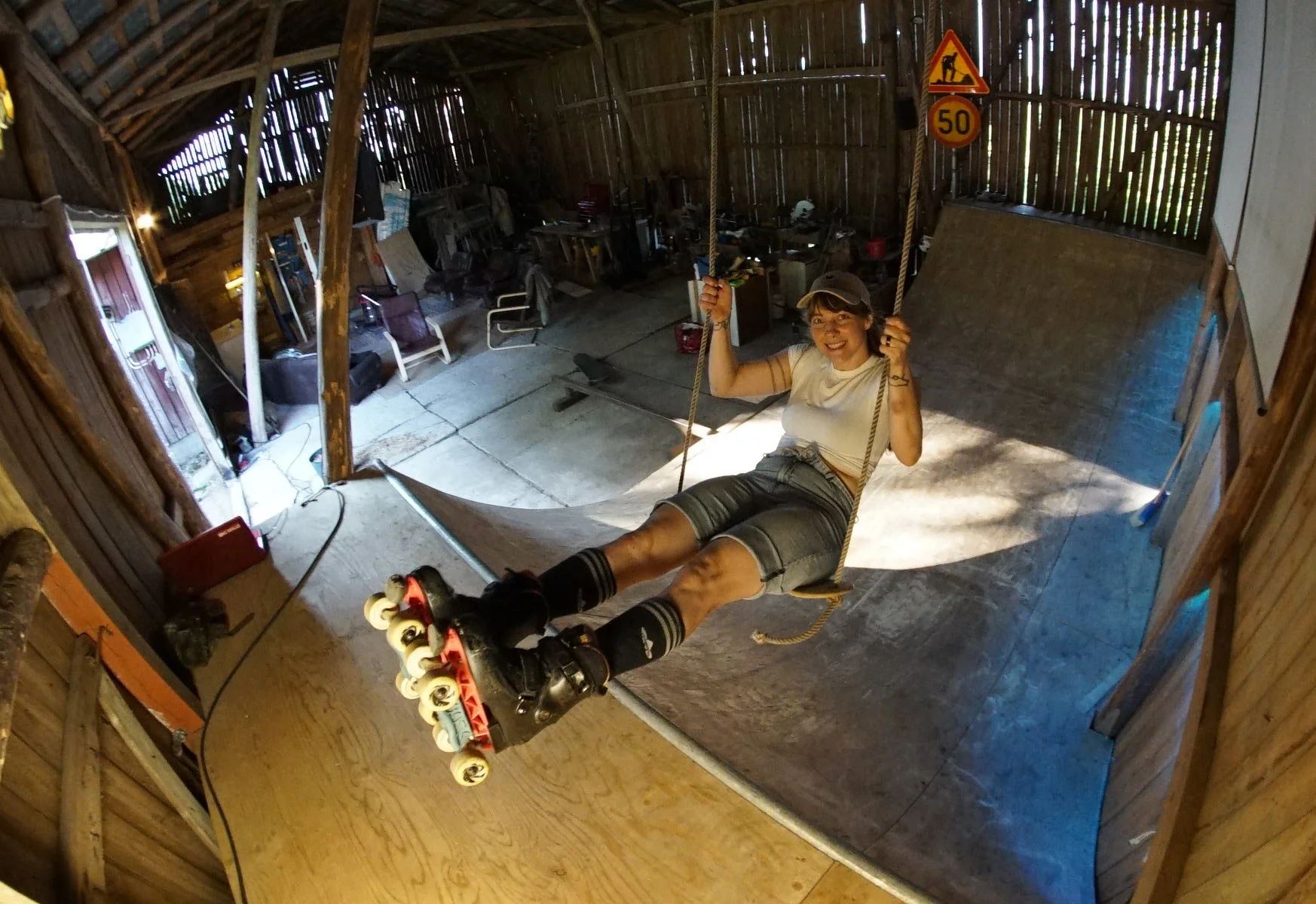
Blizz in Finland
I had read and listened to interviews with Sabine who runs Skäti Crew in Berlin, in which she’d talked in a fascinating way about getting involved with her local DIYs and what this meant to her, as an anthropologist as well as a skater. Like Tuisku and Ivanna, she offered for me to come and stay with her before we’d ever met in person (I already knew Moli, who was just as generous). I originally booked to come the week of the annual Pool Bash at Greifi DIY, which Sabine helps organise, but I ended up coming earlier as well to see a build session in action and help out.
Again, it really fired me up. Sabine is integrating roller skaters and skateboarders with events and build sessions in a way that is helping create a really special scene in Berlin, as well as connecting to and working with other local organisations that focus on inclusion and solidarity like Skatesencia and Hera. Getting to know the city’s best skate spots with her, and eventually coming back to skate (and swim!) at the Pool Bash was a real highlight of the year.
Once I had all these trips and interviews done, I needed to create a sense of urgency and a deadline to actually turn it all into a zine and get it out into the world. I knew a guy who runs exhibitions at a community arts centre called The Bath House in east London, and he was positive about the idea of running a roller-skate related exhibition that could double as a zine launch. I reached out to Sabine and her friend Nancy, an artist and roller skater based in Glasgow whose art work I loved, and they agreed to come and put up an exhibition in the early spring; we had a bunch of Zoom meetings where we got excited and learned about printing techniques. We decided to do some DIY building while we were here too, and I got in touch with a friend to set up a building workshop for roller skaters at Downside, a DIY close to me in Tottenham.
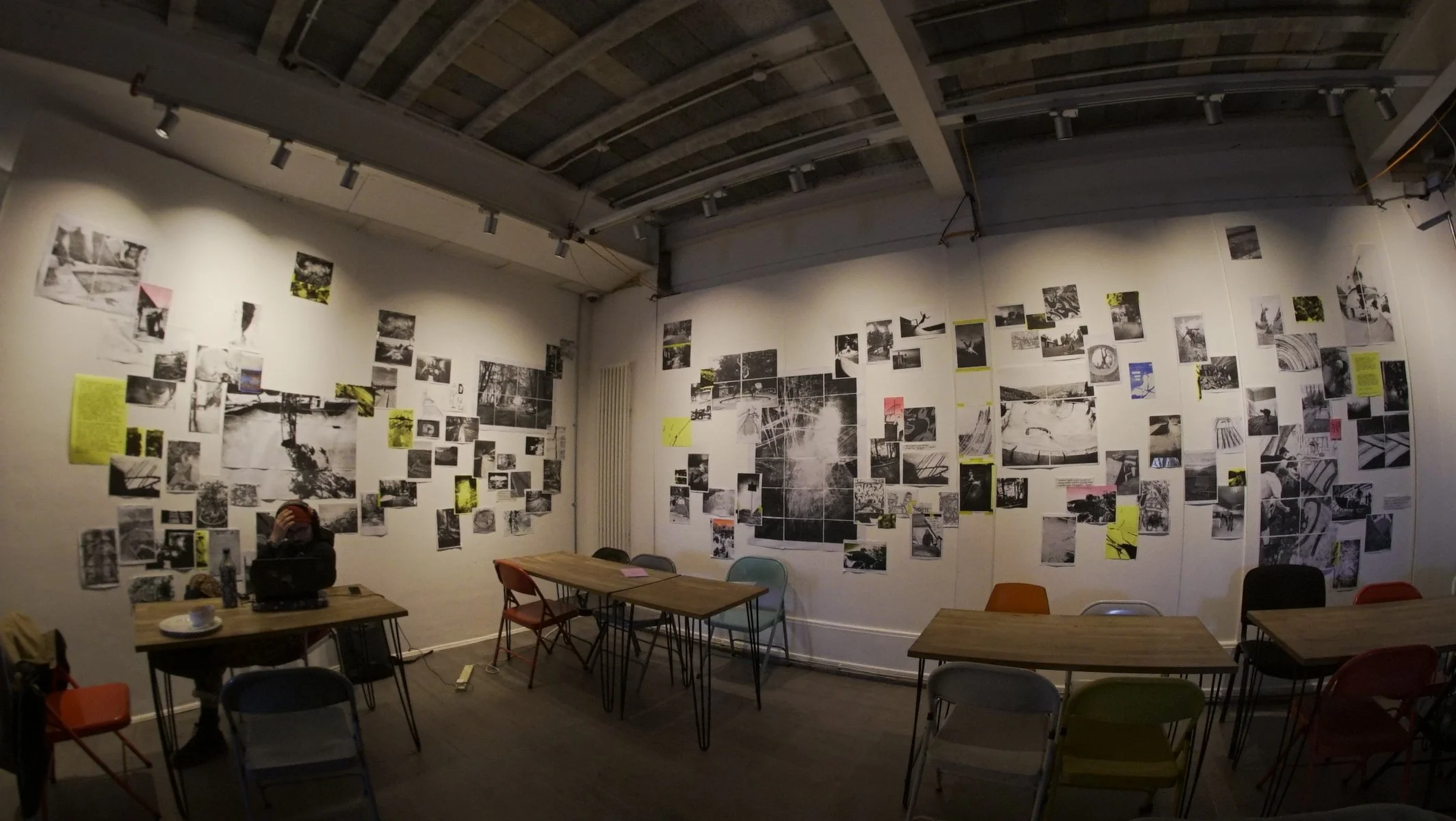
Ground Work exhibition and the Bath House by Nancy Eadington, Sabine Biedermann and Jess.
That week, and the month running up to it, was intense. I was experimenting with these different forms of printing, spending long days at the laptop turning hours of interviews into Q&As and figuring out how to lay it all out. Nancy’s train to London was cancelled after Glasgow station caught fire the week of the exhibition, Sabine was locked out of her check-in for her flight, none of us slept much that week, but we made it through in the end, and the exhibition looked amazing. The build session the next day felt satisfyingly embodied and practical after all these very heady anxieties, abstract discussions and days on the laptop. We measured, sawed, drilled, screwed, and together created the skeleton of a wooden quarter-pipe. It’s still not been surfaced as I write but I can’t wait to skate it.
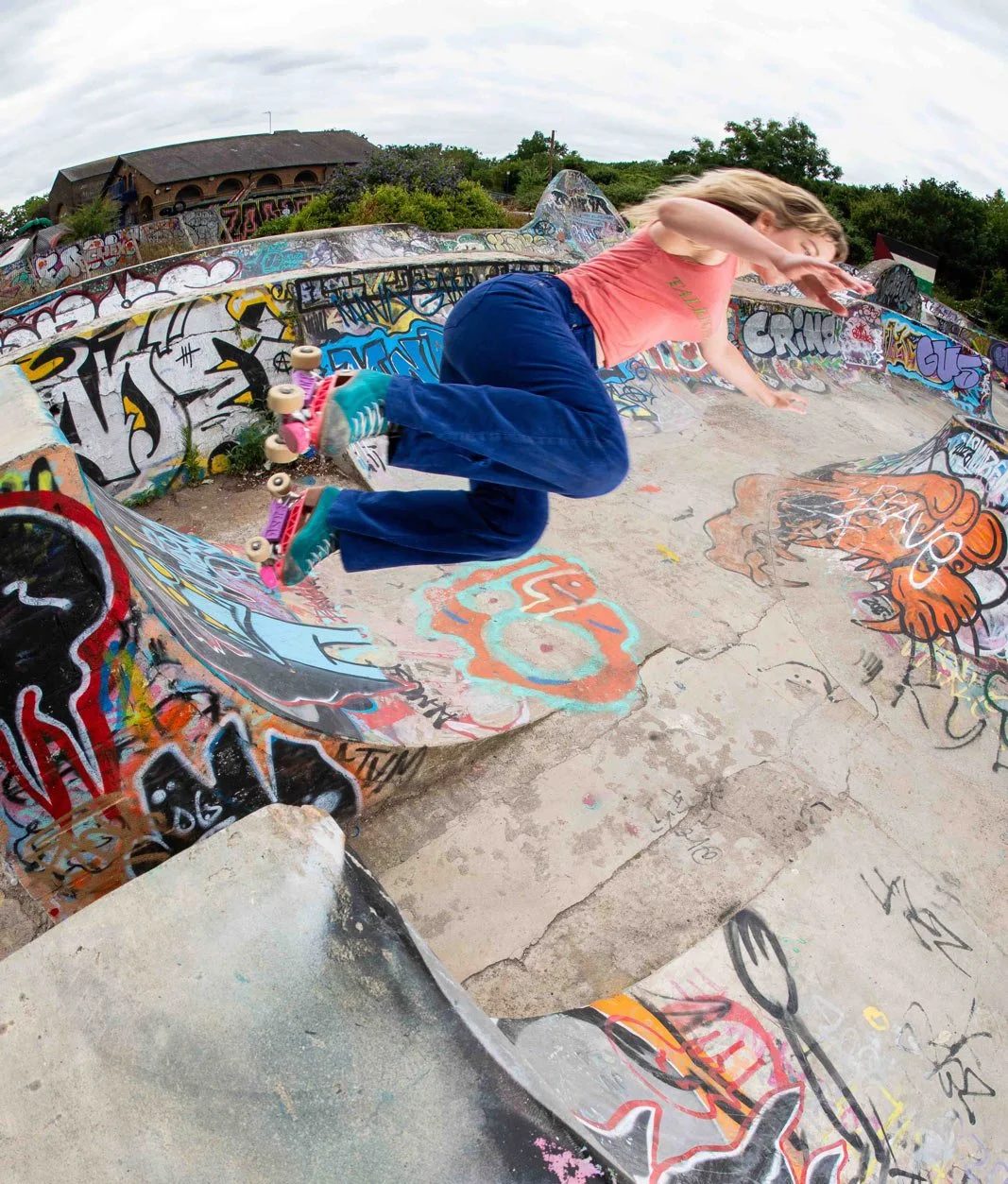
Jess at the Spot by @Stuart Clapp
As with a DIY build, the intention wasn’t to create something polished and perfect but to capture a moment of human expression, and pick up skills along the way.
I’m still sorting through everything I learned from these experiences. I guess there are lessons that you can’t take in intellectually, you have to actually go through something — biting off more than you can comfortably chew, going through unexpected hitches, and coming out the other side knowing how you’d do things differently next time. The stories people told me for this zine about their own DIY builds were like this: they had to start before they were really ready, learn on the way, deal with some chaos and make mistakes. And the blessing of not having loads of time to finish the zine was that I had to just quickly make decisions and move on. As with a DIY build, the intention wasn’t to create something polished and perfect but to capture a moment of human expression, and pick up skills along the way.
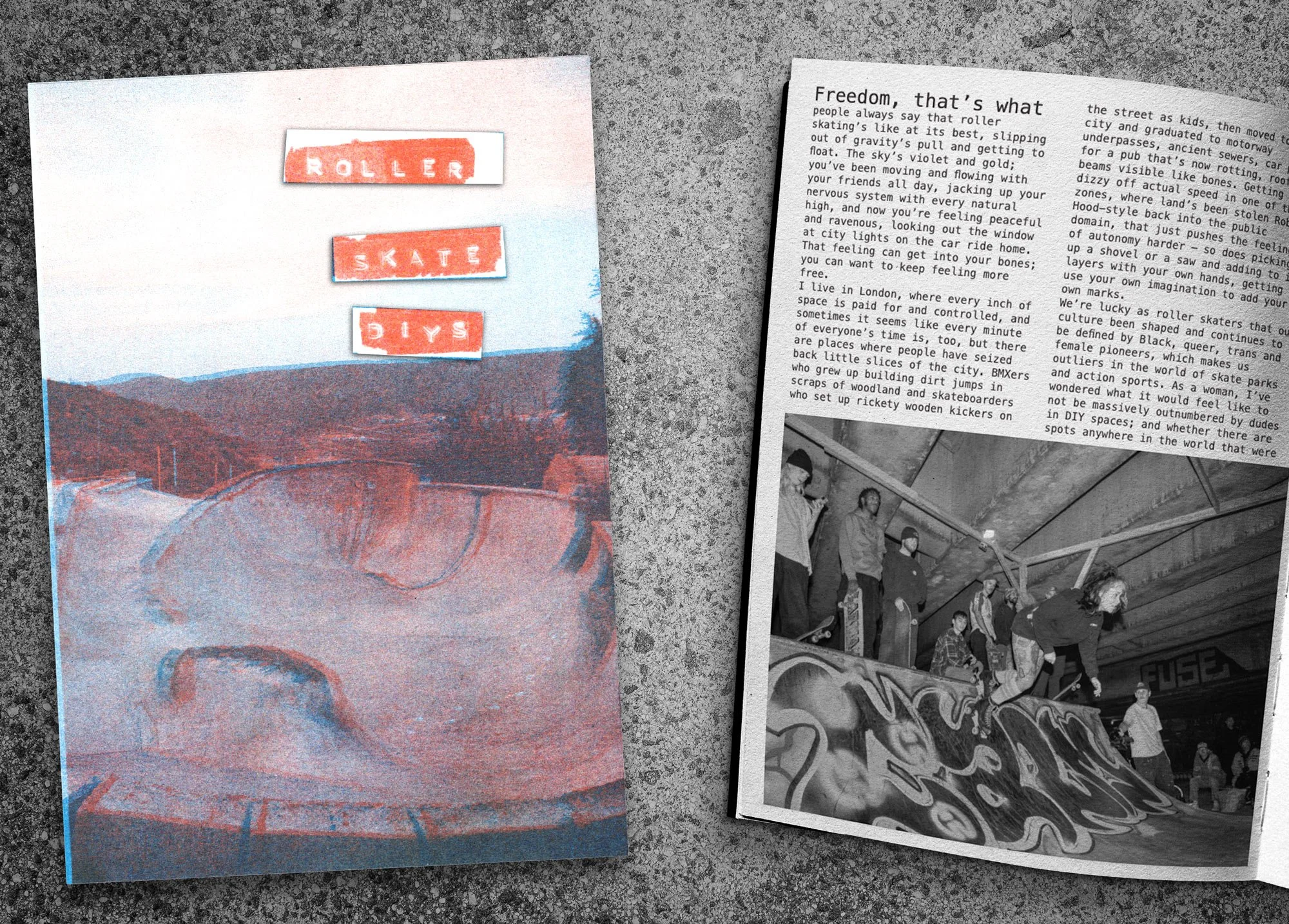
I’m selling the zines now for £5 plus postage via Instagram (@_____j.h._____ or @rollerskateDIY). They’re also available in a few shops. As of right now: Double Threat Skates in London, The Skate Sanctuary in Leeds, 5th Blocker Skates in Glasgow, and a bundle will be on their way to She Said feminist and queer book shop in Berlin, as soon as some more printer toner arrives! The feedback I’m getting already is that people feel really excited and moved reading these stories. I think it’s inspiring to read not just for people who want to learn more about building skate ramps out of concrete and wood, but also anyone who has dreams that feel slightly too scary or out of reach — probably most of us.
It’s easy to sleepwalk through life, following paths that have been laid out by other people, and there are people profiting from us doing so. That feels especially true in our era of social media, food-delivery apps, Zoom meetings, the online dating marketplace. It’s easy to be lonely and lazy, filling ourselves up with passive entertainment, and never quite getting around to creating something ourselves. The alternative — getting together with people, dreaming something up and turning it into reality — can be messy, tiring, friction-filled, overwhelming, frustrating, imperfect. But also energising, funny, singular, satisfying, memorable; connecting you to people, building confidence, humbling you, teaching you things, helping you grow. It’s actually living. I need to be reminded of that sometimes, and I hope that’s what these stories do.