
DogDays Magazine
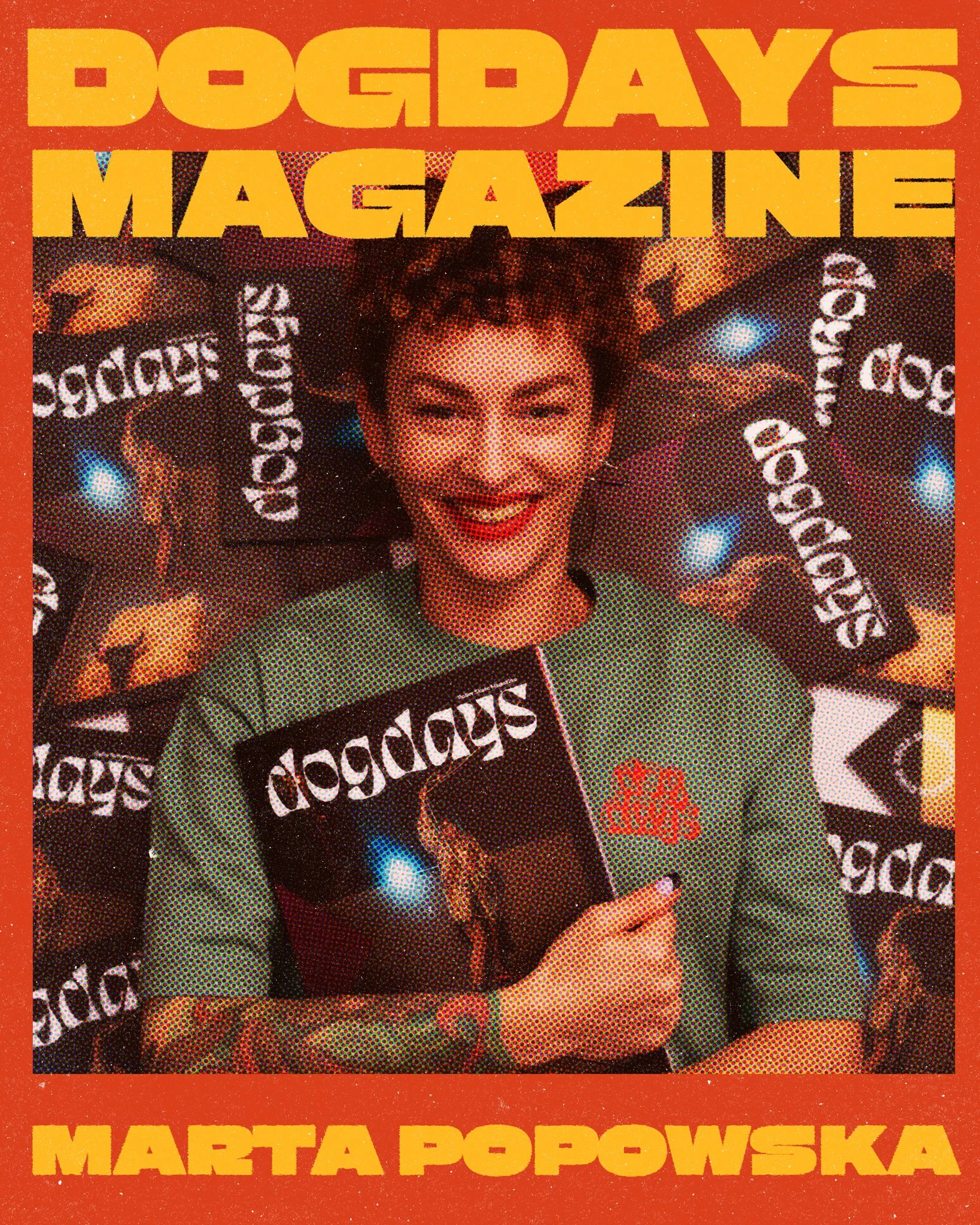
An interview with Marta Popowska from DogDays Magazine. Words by Ragnaroll.
There’s something different about projects made by skaters, for skaters.
DogDays was created by Marta, a roller skater, and Jonas, a skateboarder. Two different setups. One shared love for wheels, transitions, and street spots.
What started as a printed magazine dedicated to roller skating, especially ramp and street, grew into an online platform. But DogDays was never just about selling mags. It played an active role in the scene, supporting and organizing events, connecting communities, documenting moments that might otherwise have disappeared.
This is a long conversation about beginnings, growth, hard years, proud milestones, and the question many of us still quietly ask:
Will there be another printed issue?
Marta, take us back to the beginning of DogDays. Was there a specific moment that pushed you to start it? Did you feel something was missing in roller skate media, especially around ramp and street skating?
It evolved over time. I started playing roller derby in 2006 and co-founded Stuttgart Valley Roller Derby, Germany’s first derby league and the second in Europe after London. I played for 11 years, so roller skating has always been a big part of my life. Toward the end of my derby career, when I was already thinking about quitting, I discovered Chicks in Bowls and saw Estro Jen’s Bones Bearings video. I was like, okay, wow. I knew skateparks existed, but being so involved in derby, I never saw them as a thing for me. Back then there were almost no women skating parks here. Maybe in California, but in most parts of the world it felt very far away.
My partner Jonas is a skateboarder, we started skating together and traveling for skate trips. At some point we thought about starting a project together. Our backgrounds played a big role. Jonas is a graphic designer and I’m a print journalist. We both wanted to combine what we love. For me that was roller skating, for him the artistic side.
So we thought, why not start a roller skating magazine? There was Anti-Clique and a few small zines worldwide, but nothing in Germany. In the beginning it was more like a zine, a hybrid between a zine publication and a magazine. We started planning in 2017 and published the first issue in 2018. It was print only, no website. We distributed everything ourselves.
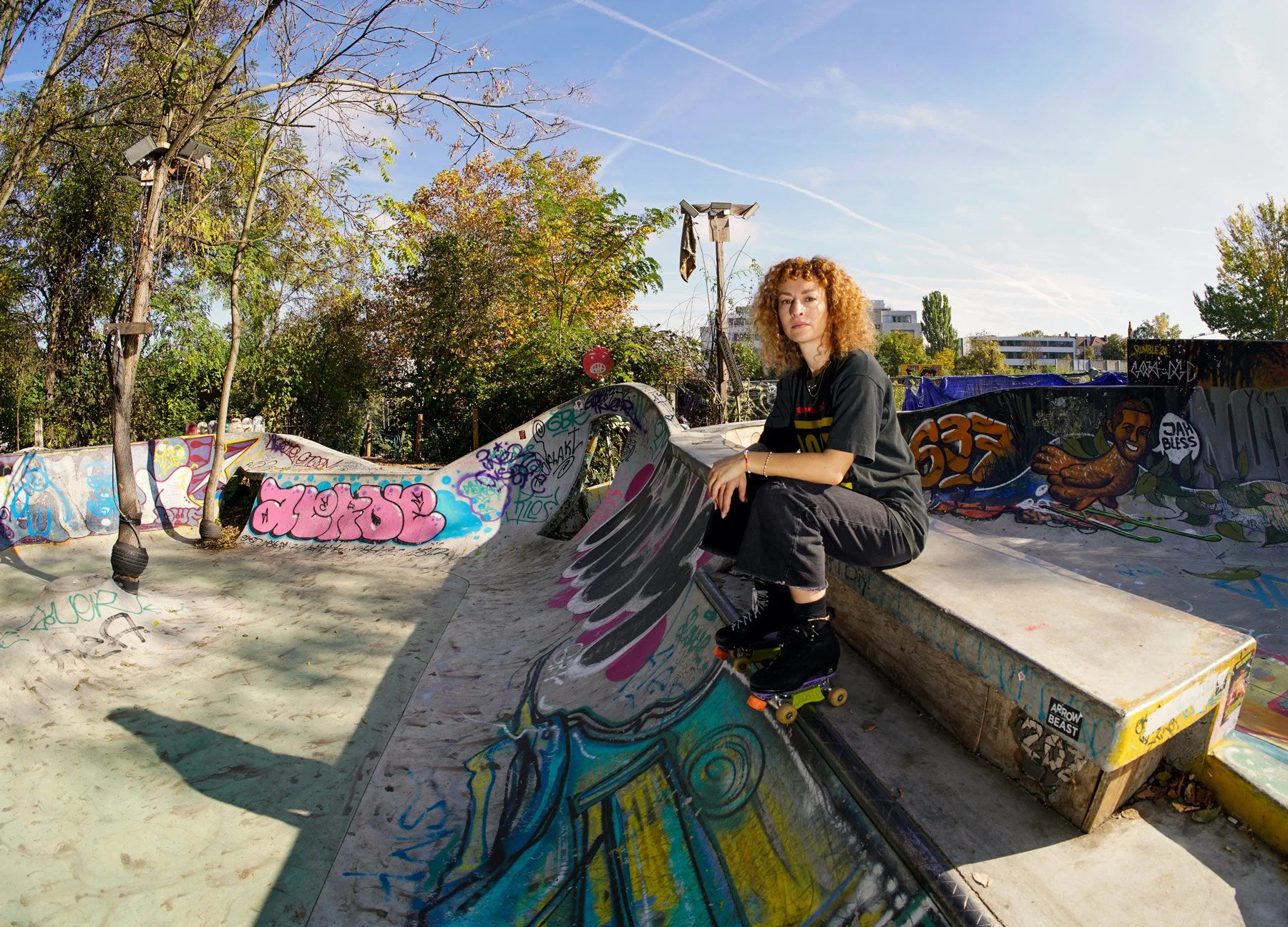
Photo © Jonas Vietense
Why was print so important from the beginning? In a world already moving fast online, why commit to paper?
Part of it was our background. I really love print. I have a huge collection of zines and magazines, and Jonas too. It’s something that lasts. You can flip through it and remember the skaters who were featured or the events we covered. It’s like a photo album. It keeps memories.
Independent publishing isn’t easy. Print is expensive, distribution is complicated, and energy is finite. What were the biggest challenges?
All of that was difficult. Shipping was a big challenge. In the beginning, around 80 percent of our buyers were from the US. So shipping, advertising, and distributing worldwide was tough.
We learned by doing. We didn’t have a background in marketing or business. I can write stories and we can create concepts, but the business side was completely new to us. And of course the financial aspect. Print is not very sustainable, and over the years production costs and time investment grew a lot. It’s hard to imagine if you haven’t tried it yourself.
Once things were running and you had sponsor connections, did it feel stable or was it still a struggle? You saw a big transformation from the first issue to the last.
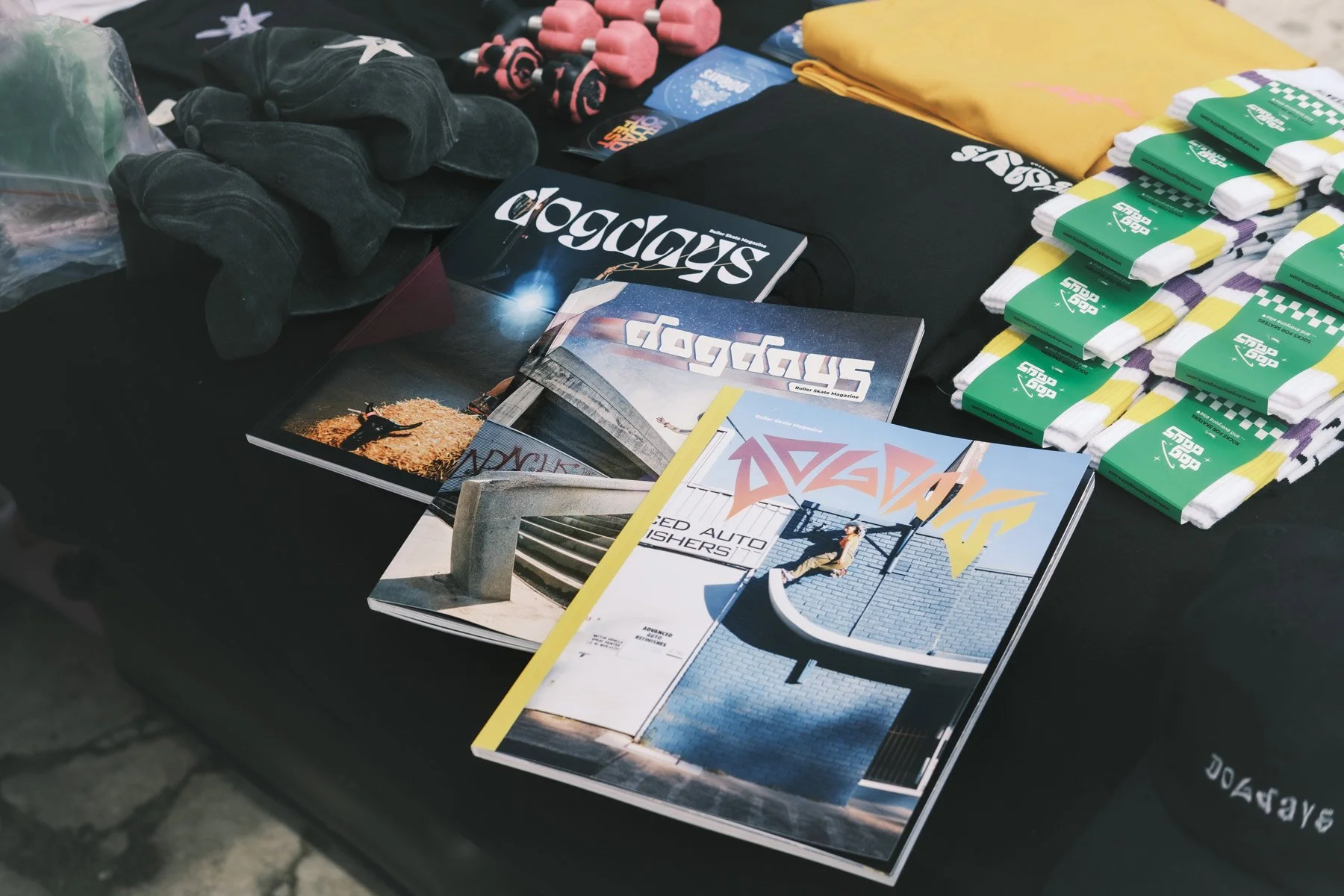
We started with a small zine and planned four issues a year, with a few small ads from brands. It was bilingual, English and German, because my first idea was to create something for the German scene. But it was too early. The scene was still too small, and demand wasn’t very high. Internationally the interest was bigger.
So we switched to a yearly book format. The first yearbook came out at the end of 2019, beginning of 2020. Then the pandemic started. It’s hard to say if things were getting easier or harder because there were phases when everything ran smoothly, and then suddenly shipping was almost impossible because of the restrictions. At the same time so many people picked up roller skating and the interest in the magazine grew.
For many brands the pandemic was a good time. It also helped us in some ways. We printed locally with a very good printer and had high standards for paper and production. You can do it very cheap or you can make it costly, and we chose high quality. It was never meant to be a business idea to generate money.
Over time, you grew the number of pages, increased the size, improved the paper quality, and even started paying collaborators. How has DogDays transformed from its early issues until now?
When we switched to the yearbook, I thought it would be less work because we both had full-time jobs. But it turned out to be more.
For the yearbook, I would plan for two months, then we’d work on it for two more. After that came promotion, distribution, social media, staying connected, finding ideas. And on top of that, we built the website. The online magazine, the shop, maintenance. WordPress updates, technical issues, things breaking. All of that costs time and money.
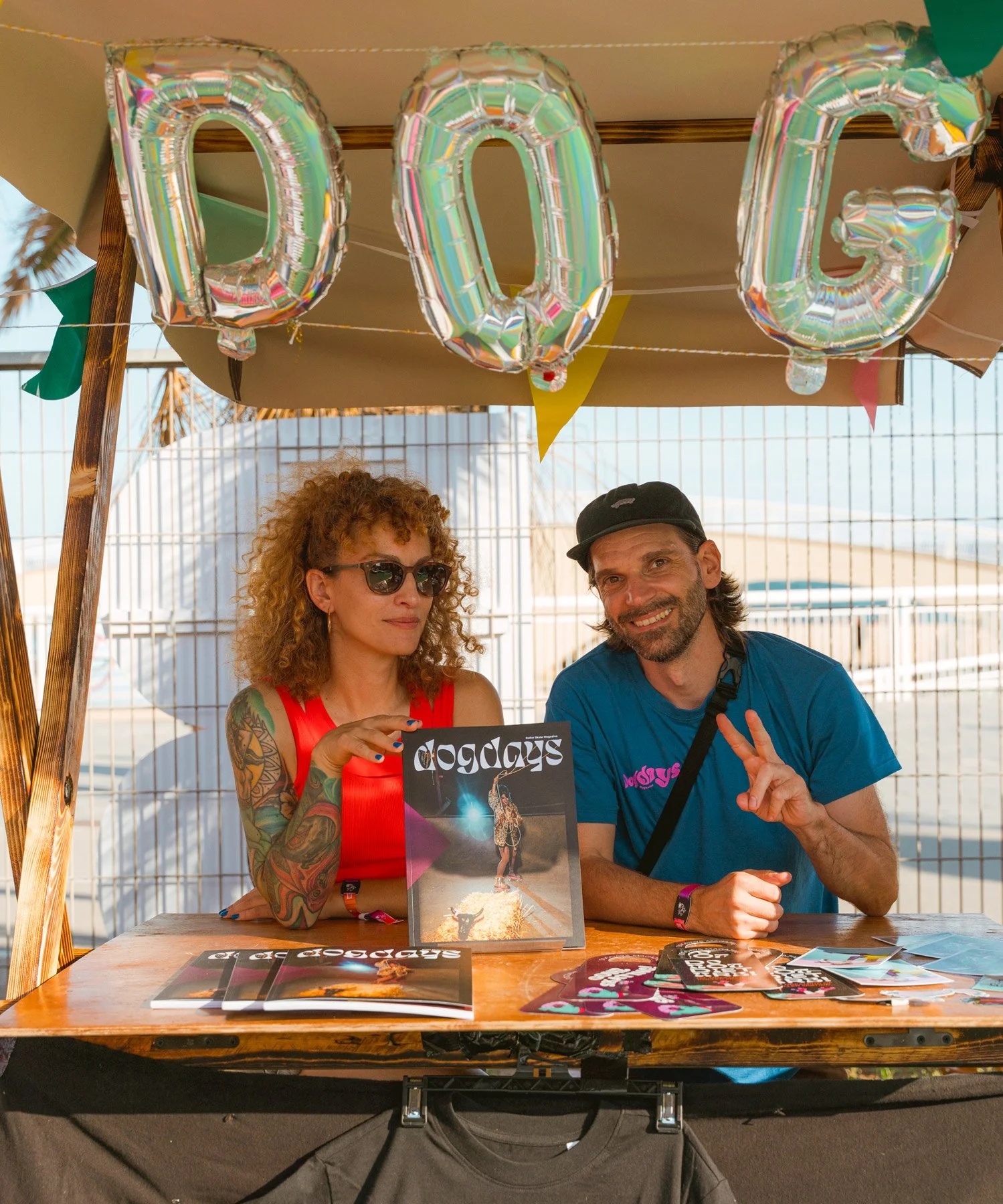
Marta and Jonas at Skate Love Barcelona. Photo ©Johanna Pardo
Did you ever feel like it was growing enough to fully focus on it? Was that ever a real possibility?
We thought about it for a moment. But to make it work financially, we would probably have had to turn it into a real brand with products. A magazine alone doesn’t really generate money. Usually it’s more a marketing tool. But then what would that mean? Starting trucks, hardware, other products? If you want to do it on a high level, it takes a lot of knowledge and investment. And I’m not really a hardware-creating person.
Then the pandemic ended and the hype declined. Many brands had hard times after that. So we decided not to go in that direction.
Did you also feel a lack of support from brands in the later years?
Some brands had to step back, which I totally understand. And first of all, I’m very grateful to all the small and big brands that supported us through ads and collaborations. That was super important. But in the last years, some told us they had to cut costs and couldn’t support anymore. There are not many brands in roller skating, and we didn’t charge high advertising rates. You can never cover production costs through sales alone. So it became tough.
Still, until the last issue, we had a lot of support, which was really cool.
Looking back at ten printed issues, the website, events, trips, connections, and all the stories documented… Do you feel you accomplished what you set out to do? Or did the goal evolve?
I would say yes and no.
We never started with a big master plan or business strategy. We just wanted to create something and bring it into the world. In that sense, yes, we did what we wanted.
Maybe I hoped it would become more sustainable, which turned out to be harder than I thought. As for the impact, maybe you have to ask the skaters. I hope it had an impact on the community.
For me, it brought great memories, new friendships, and travels. It felt also important to make people happy, to showcase communities and skaters, and to give space to topics that weren’t always addressed.
And personally, I cared a lot about documenting history. Interviewing veterans, finding old photos, talking to people who were there in the beginning. Often there are only a few videos, mostly from the US, very little from elsewhere. Finding those stories was important to me. There are probably so many skaters we’ve never heard of, whose stories were never documented. That was something I always wanted to explore even more.
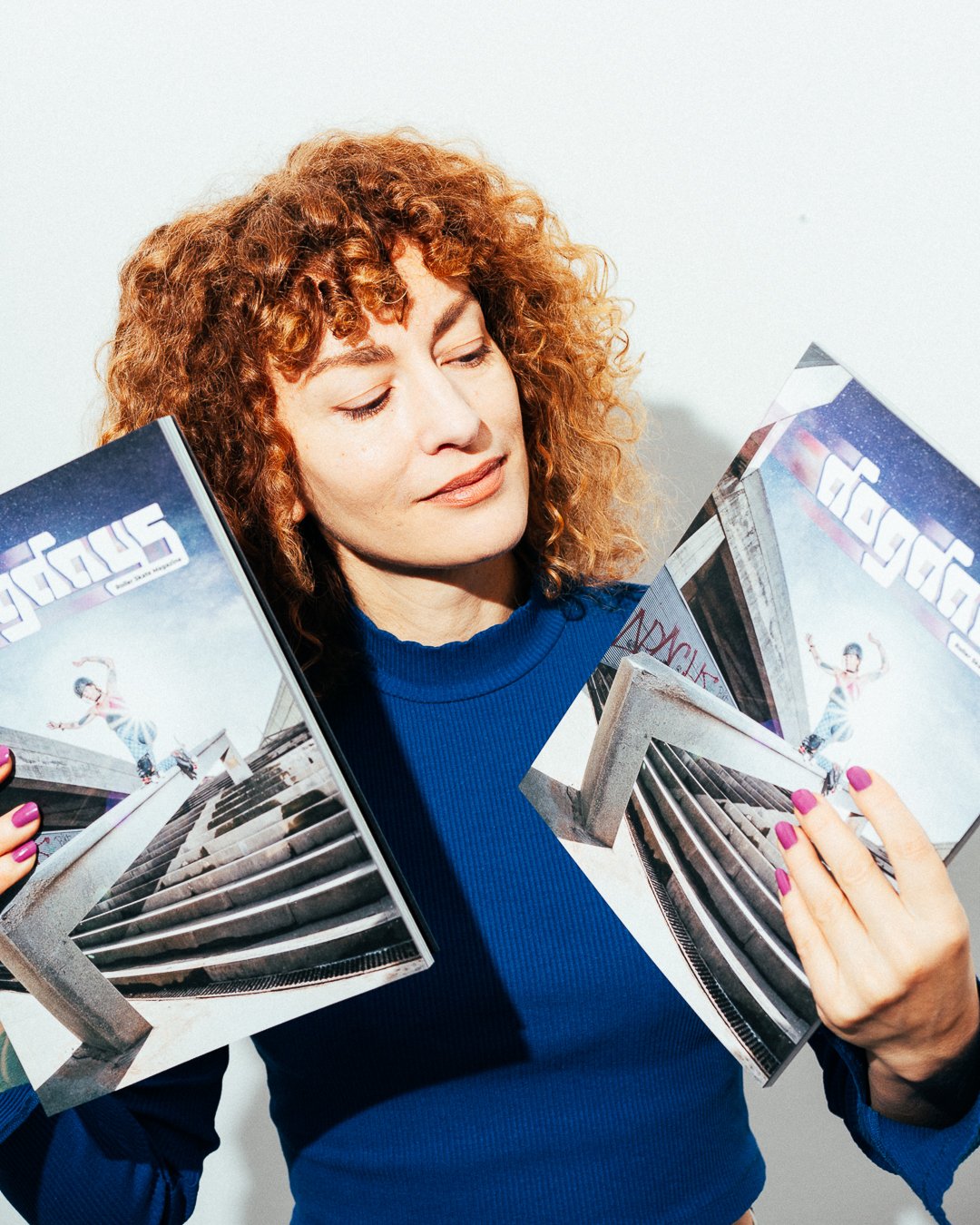
Photo © Artëm Ivanov
For me, it brought great memories, new friendships, and travels. It was also important to make people happy, to showcase communities and skaters, and to give space to topics that weren’t always addressed.
In the early days, how did you curate your content? Was there a conscious effort to spotlight overlooked scenes and skaters? How did you balance established names with new voices?
Yes, that was important from the beginning. I wanted a good mix of pro skaters who inspire us and people we look up to, but also communities and skaters who didn’t have visibility yet.
In every issue we tried to feature a scene somewhere in the world, not just the US or Europe. I reached out to Australia, Asia, and other places. Finding those skaters sometimes took time, but it mattered to me.
We also included columns about topics that were on people’s minds. And it was important to give photographers space. In roller skating there weren’t many platforms where you could showcase photos in a proper format and size.
How was it collaborating with so many people? Did you build a network you could rely on?
We built a really good network. I couldn’t find everything myself, so I relied a lot on photographers and people sending ideas, stories, and photos. That definitely grew over time as more people knew about us.
At some point, especially with the yearbook format, I had to say no to many people, which made me sad. There was just not enough space. That might have worked better with a quarterly magazine. Sometimes it also didn’t fit the concept of a specific issue.
The web magazine helped. Even when print issues sold out, interviews and series like Under the Radar were still online. There we could showcase skaters who were great but not widely known. I hope we balanced print and online well.
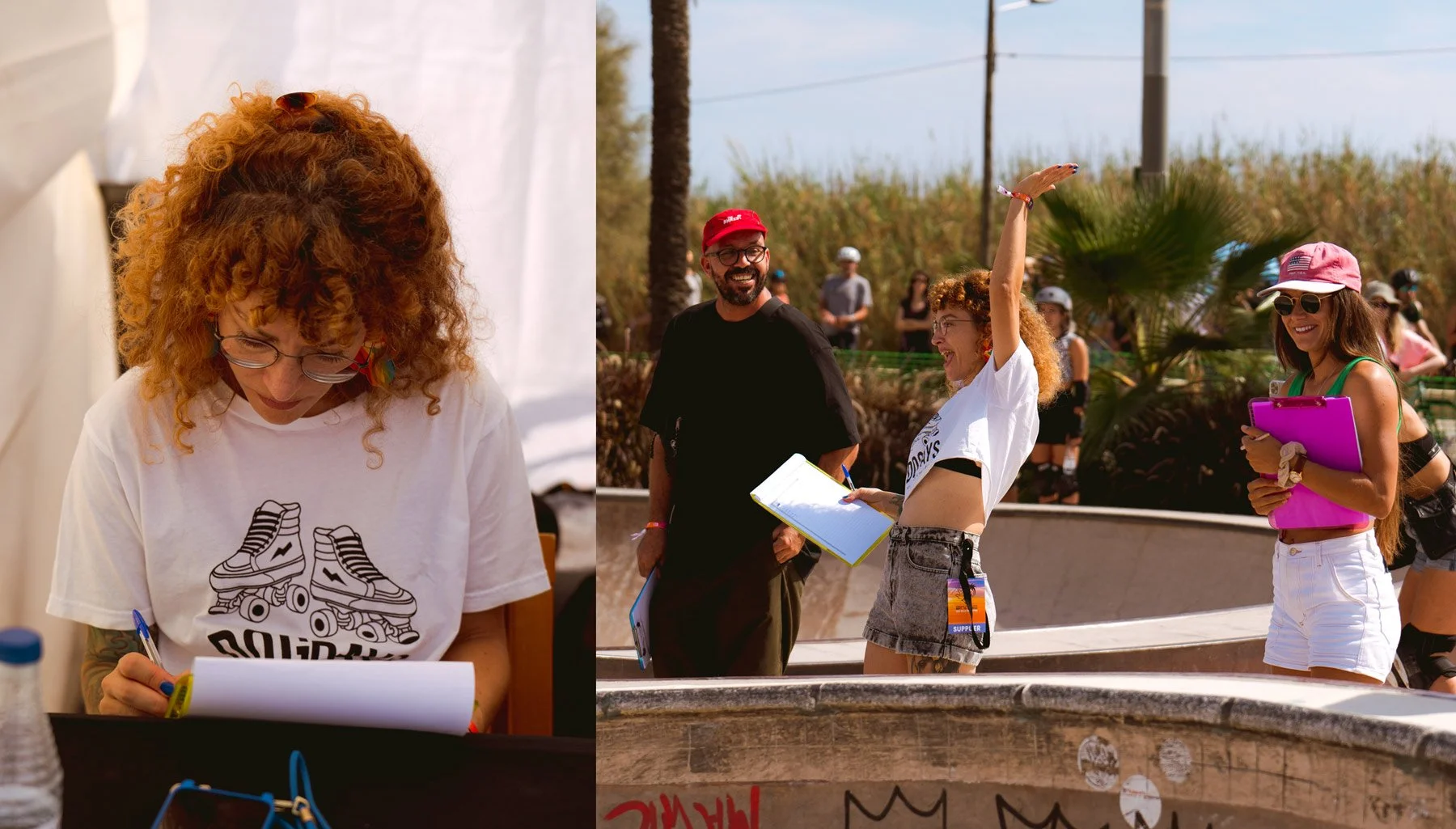
Marta at the first The Love Bowl Jam, Barcelona 2022. Photo ©Johanna Pardo
You’re a roller skater and Jonas comes from skateboarding. Did that crossover shape DogDays?
Yes, definitely. Having connections in both worlds expanded our opportunities.
For example, in the beginning some indoor parks were skateboarding only. We had to book them like external organizers. Over time, through persistence from the community, some spaces opened up to all wheel sports.
Skateboarding also created many of the DIY spots that became the backdrop for our stories and photos. There’s a lot of crossover in spaces and culture, so that connection was important.
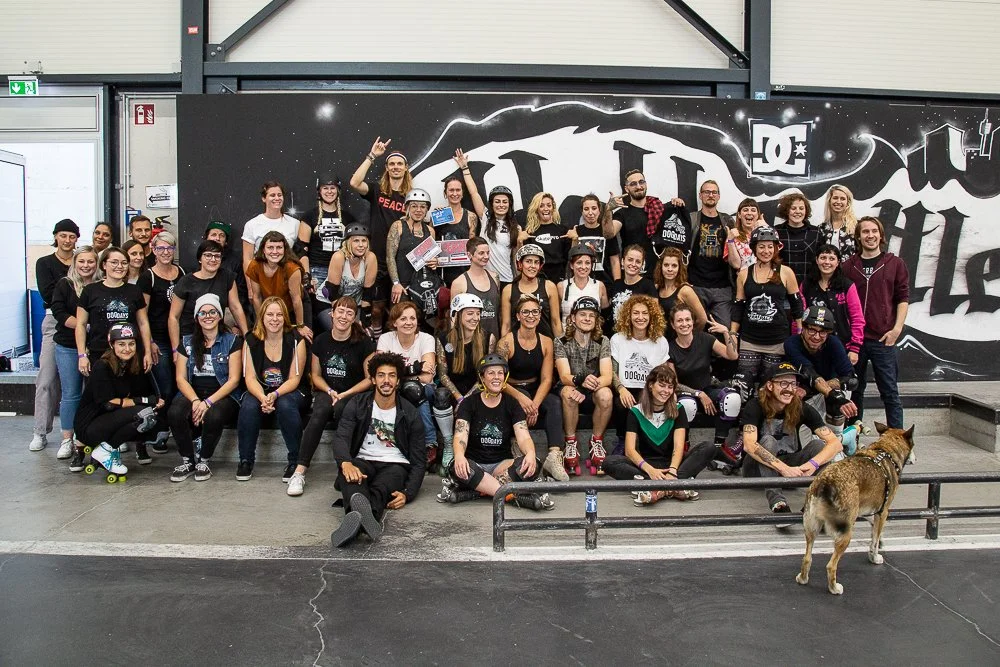
Event organized at Stuttpark, a skateboarding only space that started to welcome roller skaters. 2019.
How did you balance being an active skater while running the magazine? Did your skating change?
It definitely took time away from skating. I skated less and less because I worked on the magazine in my free time.
At events, I was usually in organizer mode and not really in the headspace to skate. And instead of going out skating, I often sat at my desk. You can’t have everything at the same time.
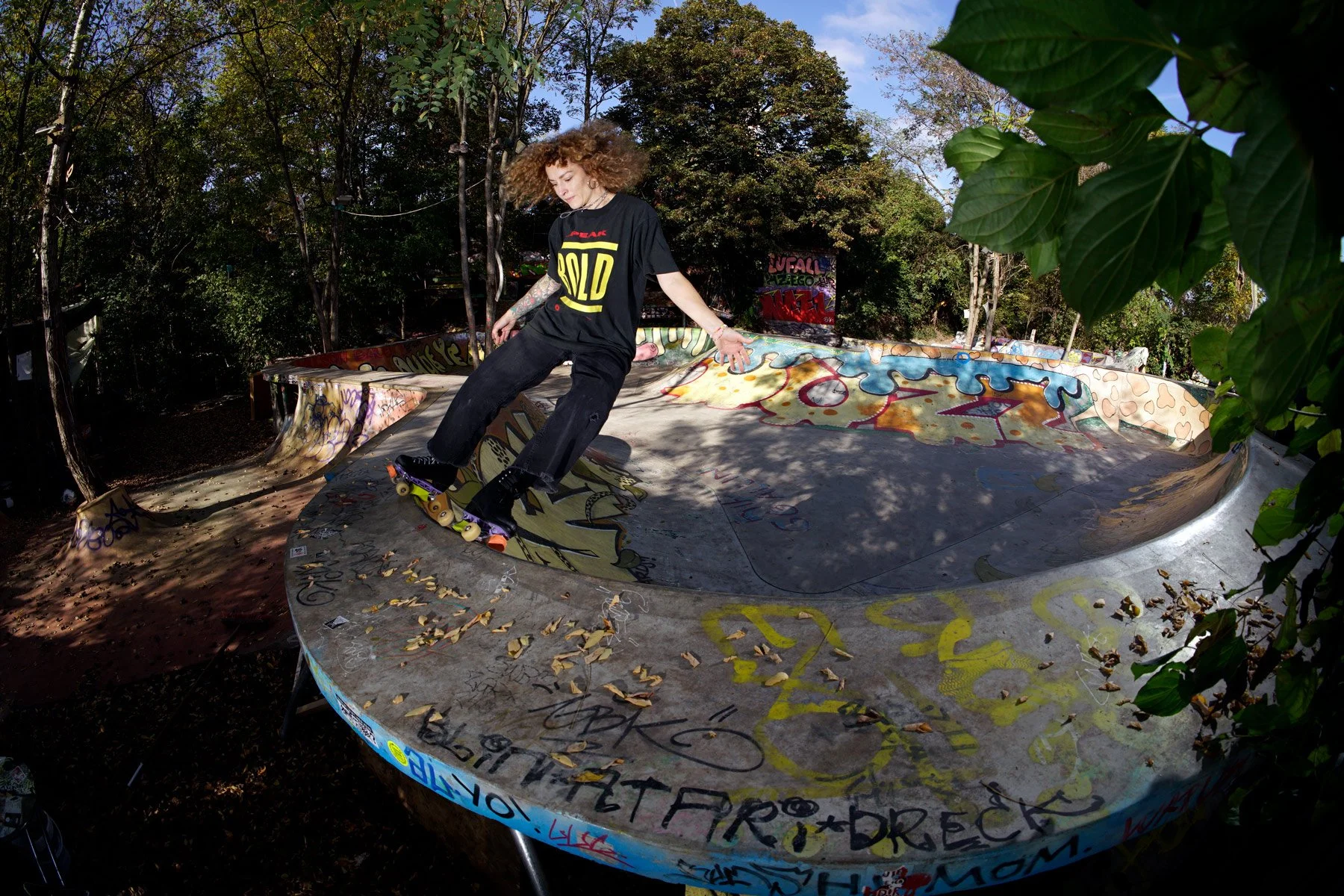
Photo © Jonas Vietense
Having seen the scene evolve, what changes stood out to you? And what would you like to see next?
Events are really important. They keep the community connected and create a feeling that we share something bigger. Otherwise the scene can feel fragmented. In some cities there are many skaters, but in many places it’s still very small.
It’s easy to say we need more skate shops, more events, more products. But you also need people to support them.
One thing I think is important is working with kids, like skateboarding has done for a long time. Workshops and youth programs help grow the next generation. Many of us are in our 30s and 40s. To make this lifestyle sustainable, we need younger skaters coming in.
Are there highlights that made it all worth it?
The positive feedback after every issue stands out the most. Emails and messages from people who loved it. That was incredibly rewarding.
And of course the travels and connections. Going to the first Quad Cup in LA was special. Meeting people I had only known online, skating spots we had only seen on the internet. Events like Milano Quad Cup were also highlights.
In the end, it’s the personal connections that stay. I don’t remember specific tricks as much as I remember who I met and where.
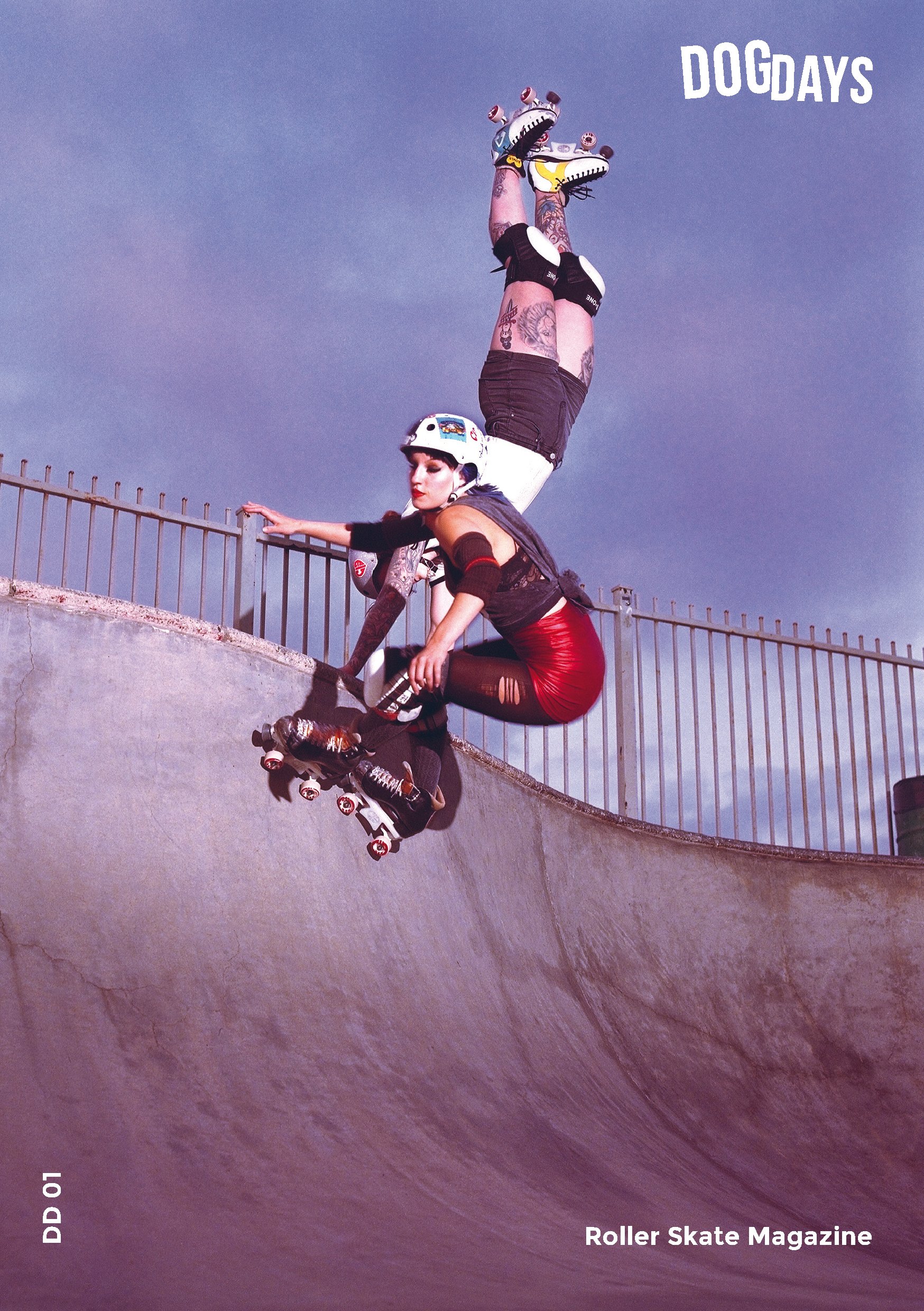
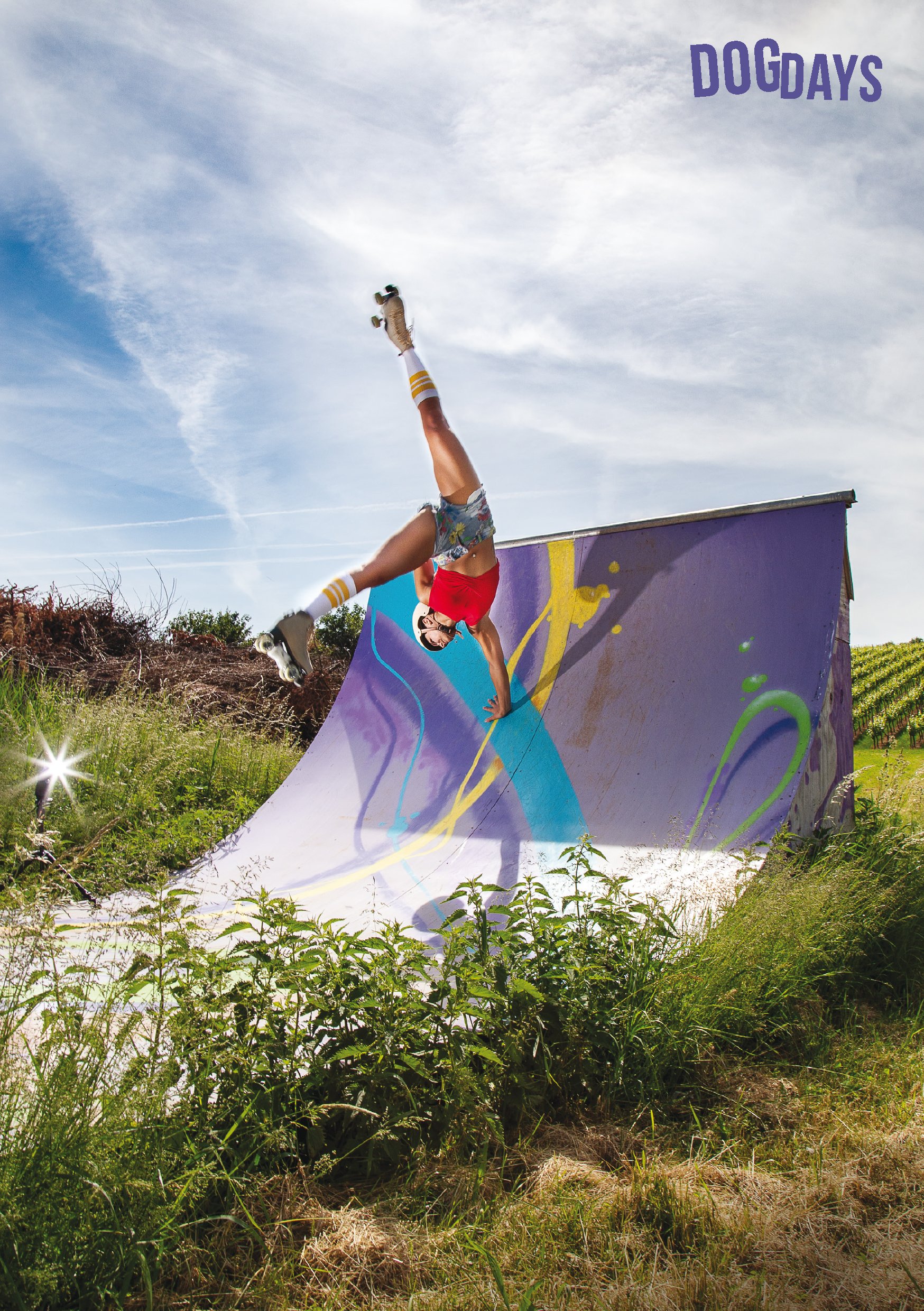
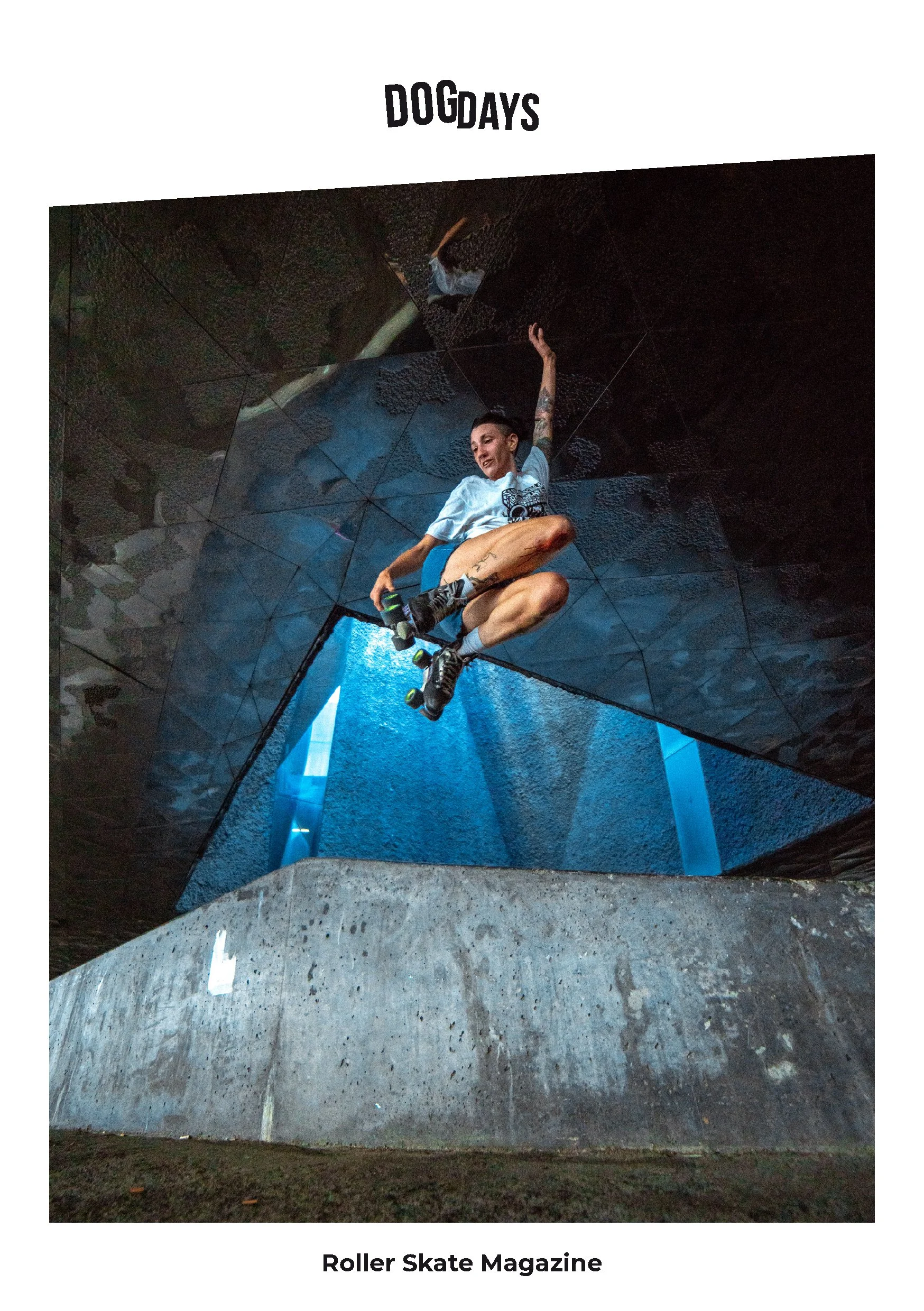
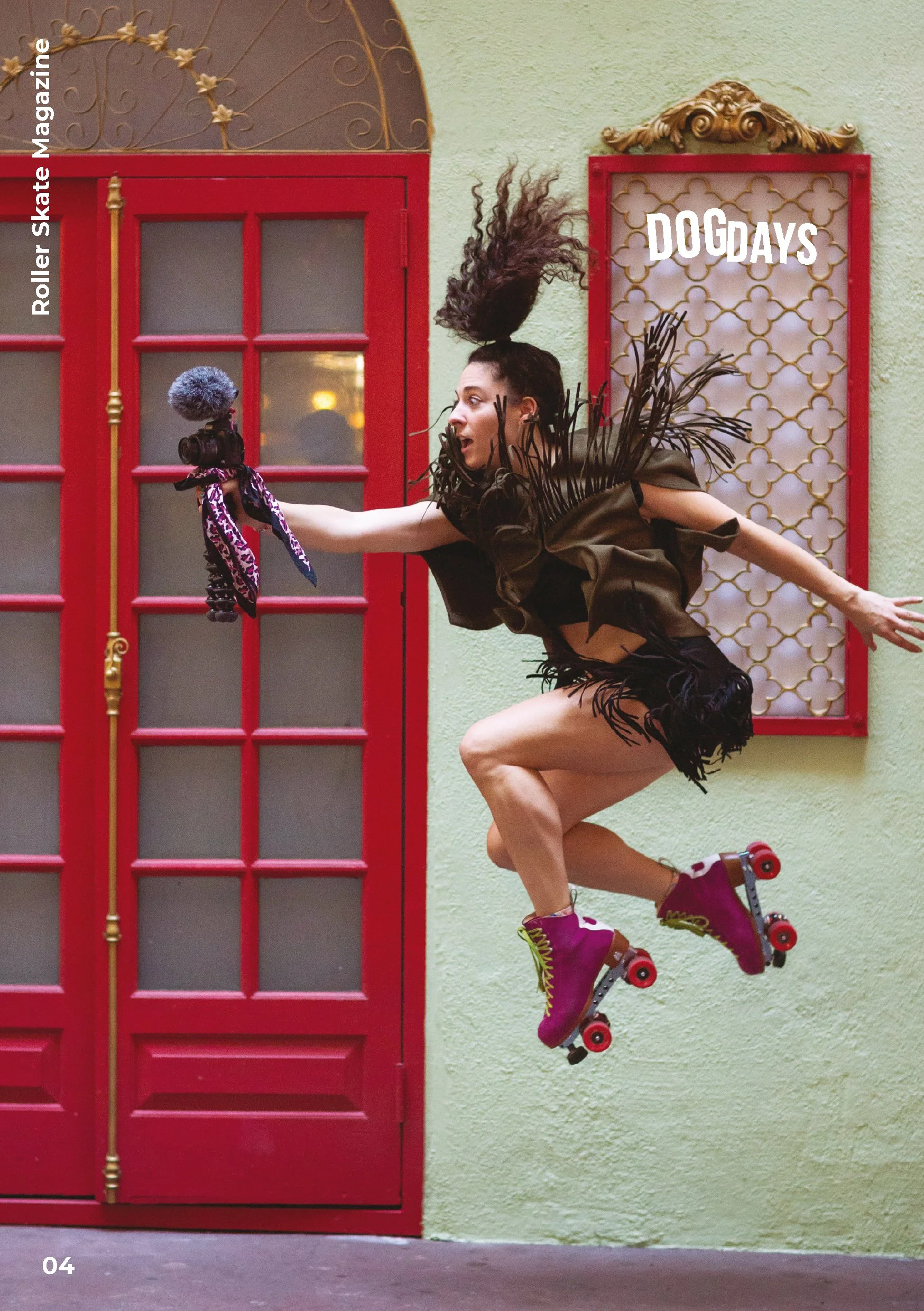
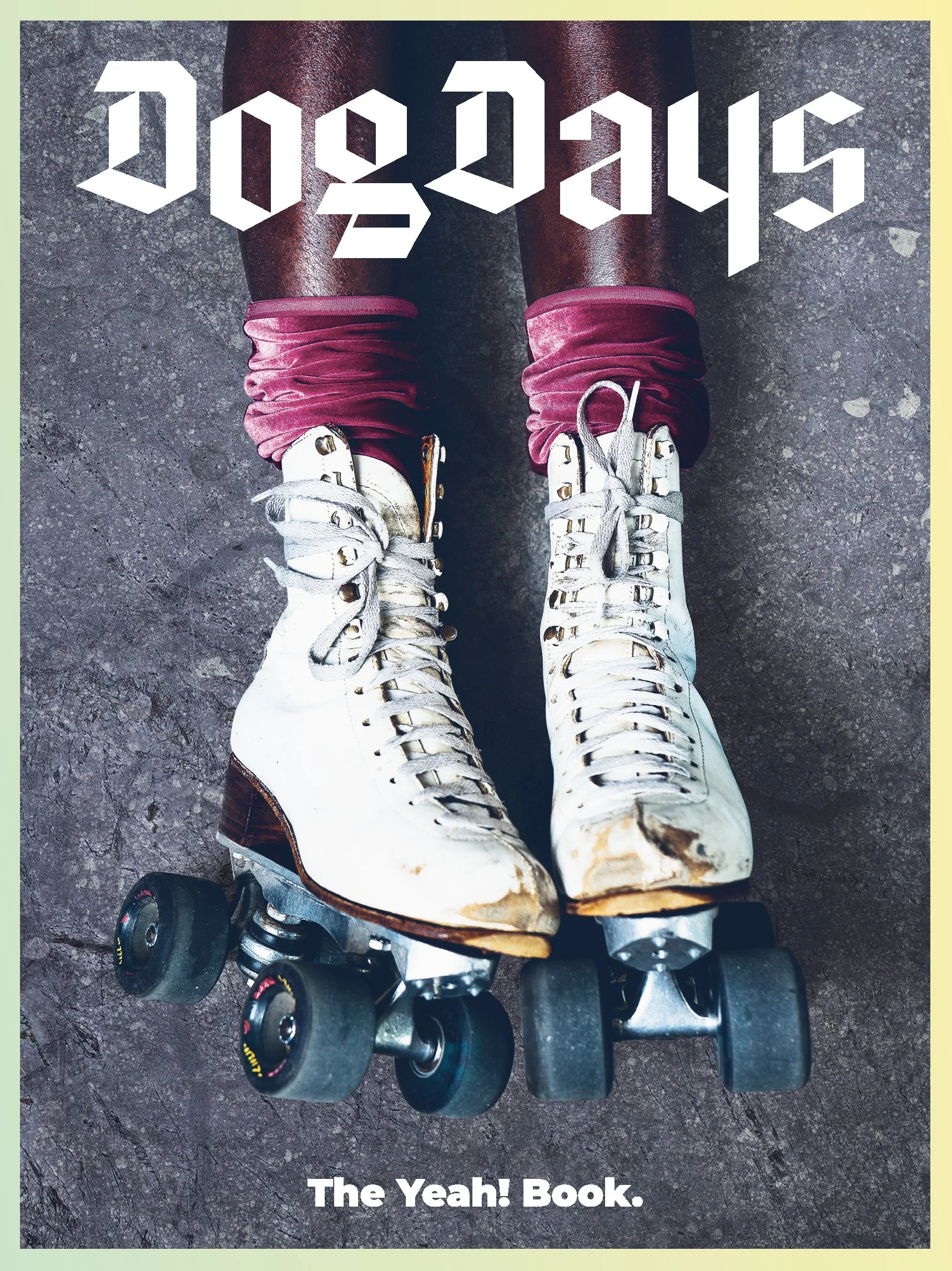
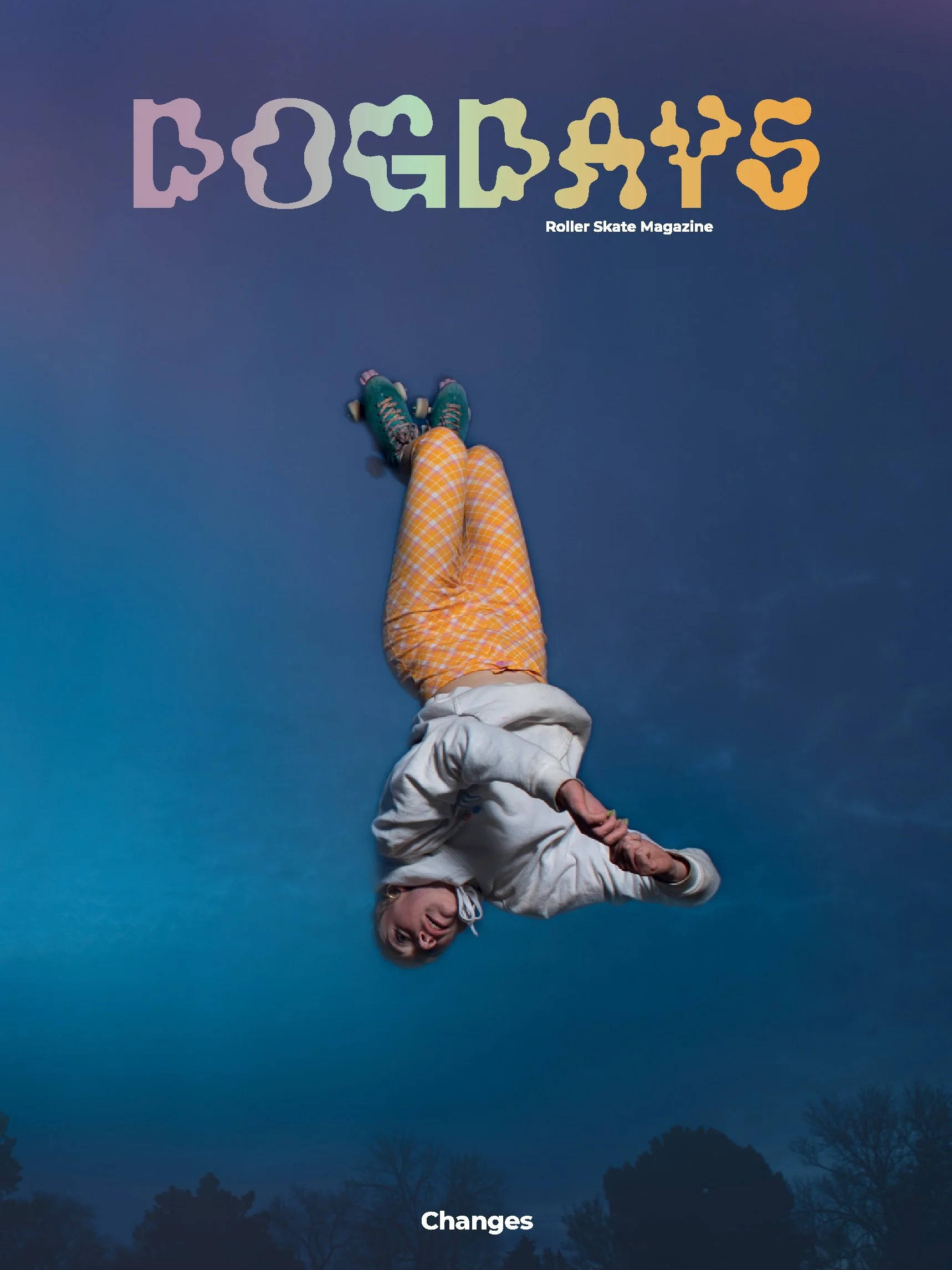
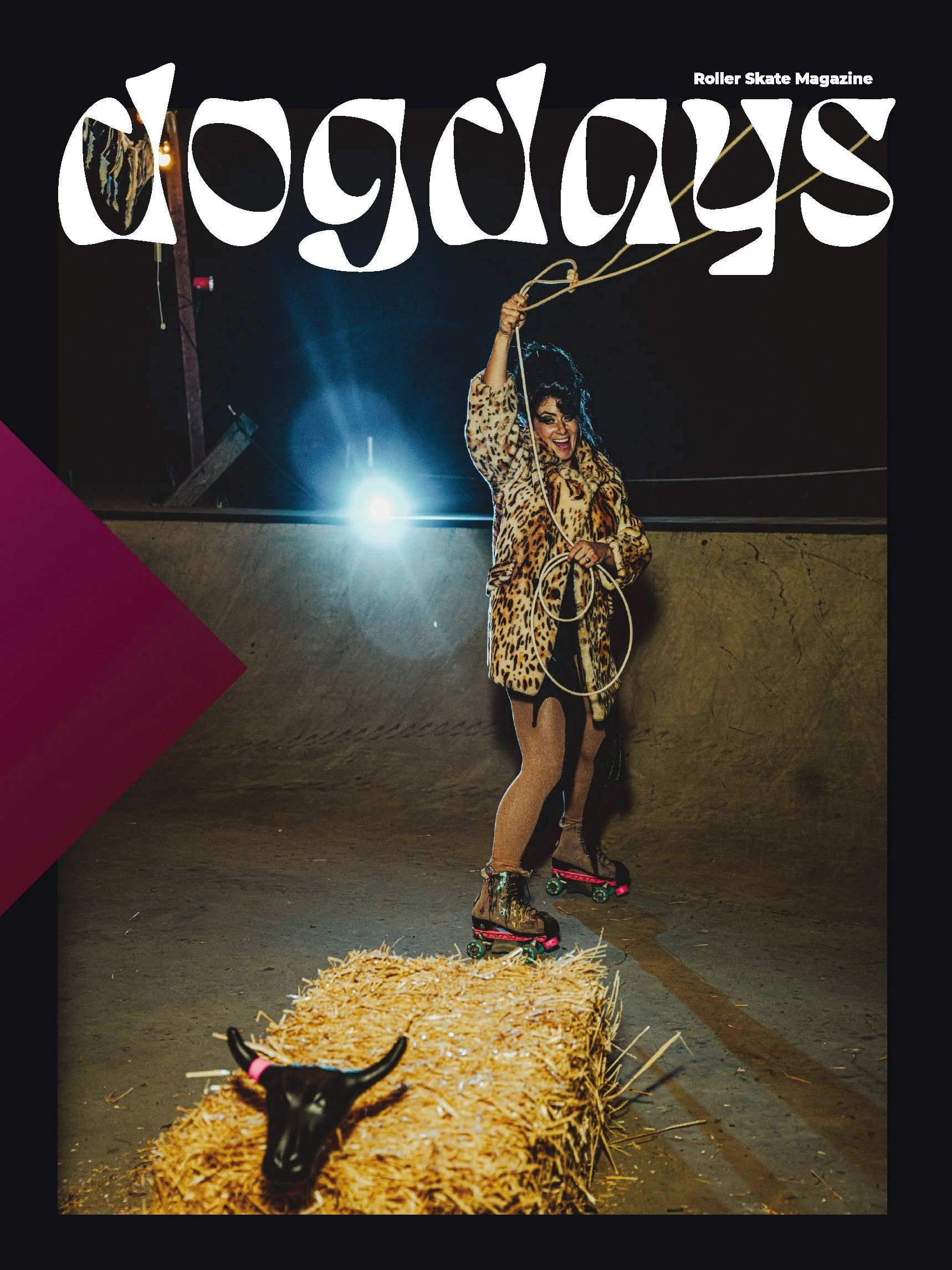
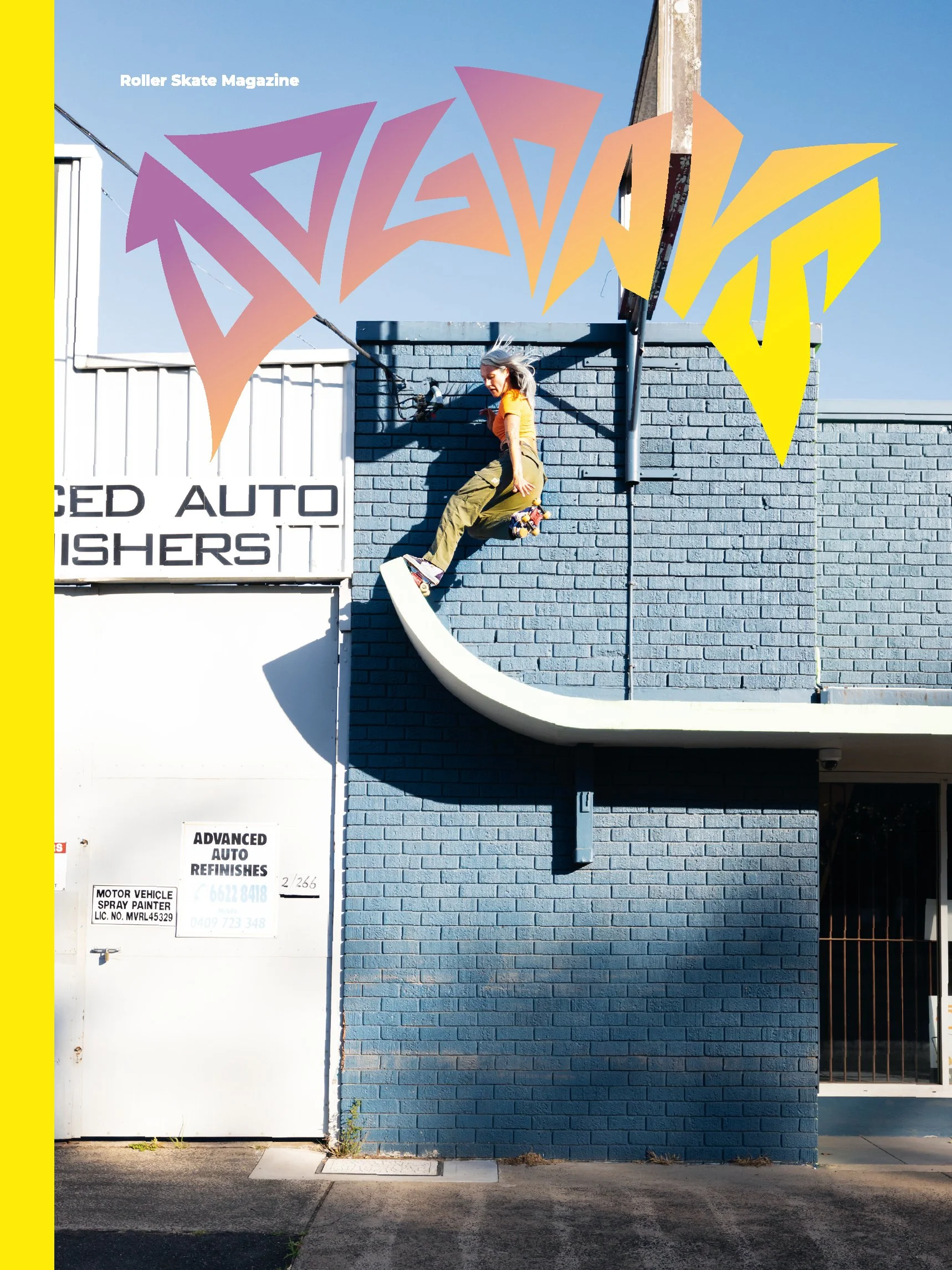
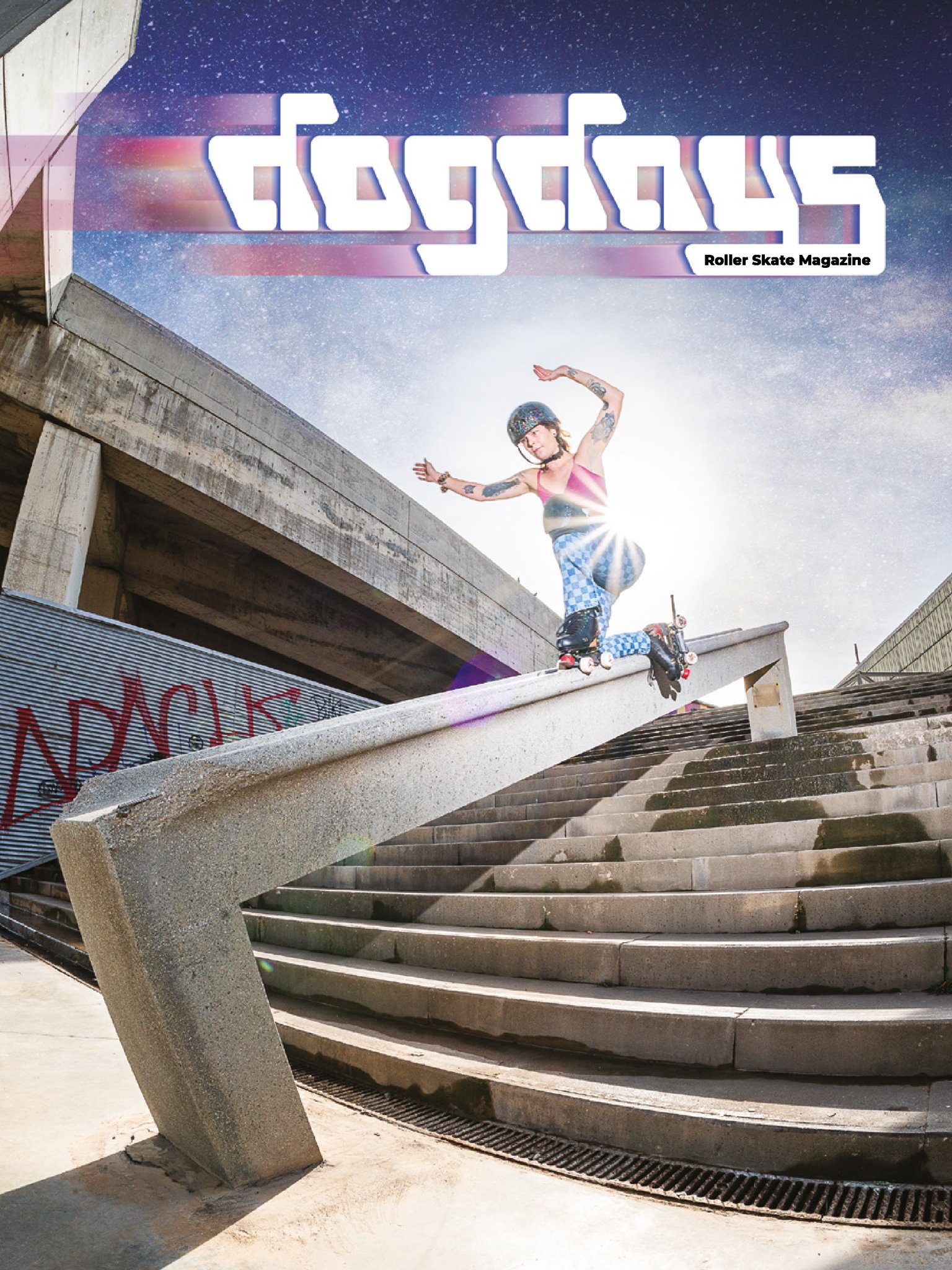
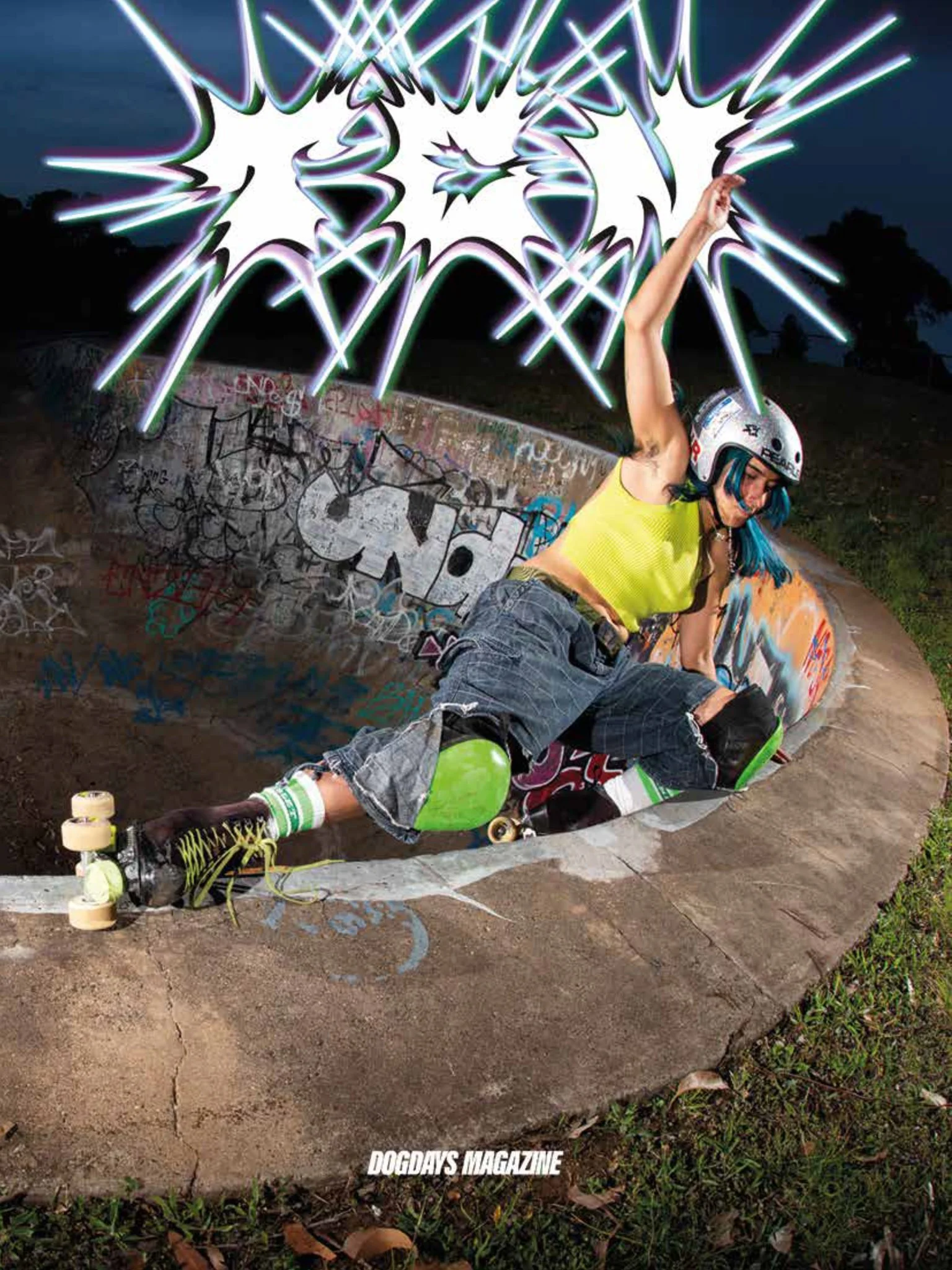
We noticed the online store has closed. Can people still get past issues?
The tenth issue is still available at selected shops. We also have some older issues left. If someone is interested, they can send us a message.
And finally, will there be a new printed issue of DogDays?
We took a break this year. Some people already asked if there will be a new issue, and for now the answer was no.
But we’re not ending it. The online magazine is still running, and I hope to publish new content there. We just needed a break.
I do miss working on print, especially in winter. In Germany it’s dark and cold, and working on the magazine always gave that season a purpose. I would like to do something in print again. Whether that will be issue eleven or something new, we’ll see.
Thank you Marta.
Where to buy*
Solquads
*These are not affiliate links we are not responsible for stock or sales.