
Rider Check 10Q: Cassandra Mumford
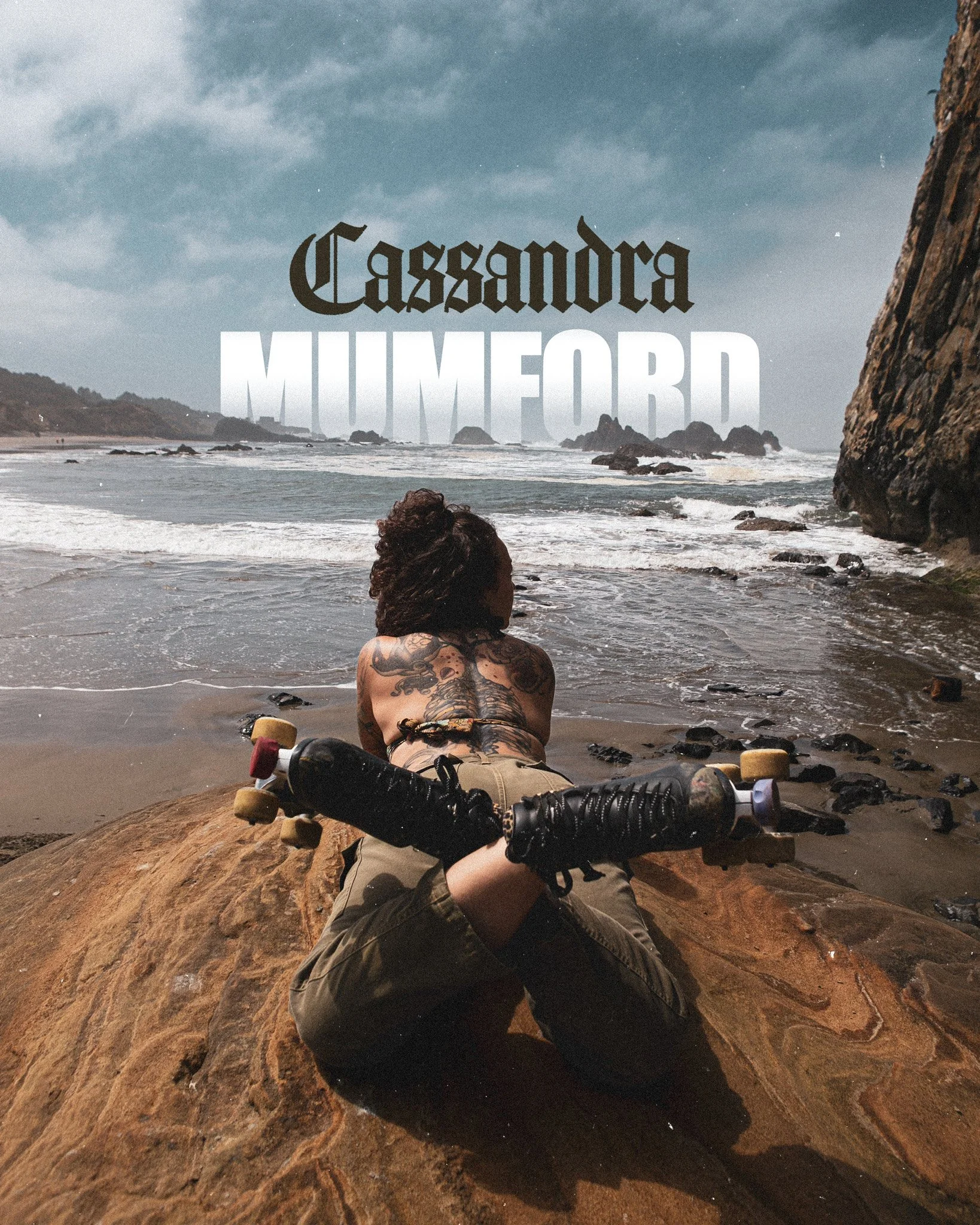
Photography © Adam Strunk
Cassandra Mumford (she/her), 38. Currently living the van life but moving to Portland, OR USA soon. Not currently sponsored but would love to be 🤘🏻
What did your early days on quads look like? Who or what really shaped your style in those first sessions?
My roller skating journey started when I was about five years old, spending a lot of my childhood at my local roller rink in Wyoming.
In my early 20s, I discovered roller derby and fell in love. Eventually I moved to Colorado, where I skated with one of the top-ranked roller derby teams in the world at the time.
In 2018, I moved to Arizona for a death investigator position and joined a roller derby team in Phoenix.
I'd dabbled in park skating for a few years, but in 2019 I finally committed to learning how to skate transition. I fell in love with the freedom of it. I could throw on my headphones, listen to music, and skate at my own pace.
Around that time, I met another quad skater, Lin (@Forest.Poem.Skates), who invited me to a local skate meetup. For the first time, I truly felt like I belonged in the skating community.
Lin had such a unique and beautiful style that drew me even deeper into park skating. She was always smiling and had the kind of energy that made everyone feel welcome. She was encouraging and played a huge role in building a positive, supportive skate scene in Phoenix. She reminded me that skating was about sharing the joy of it with others.
I miss her, and I miss those days. They were some of the most meaningful moments in my skating journey.
Do you remember a specific moment when skating stopped being casual and became something you actually needed in your life?
That moment came when I was living in Phoenix. I had just left an abusive relationship, stepped away from roller derby after nearly a decade because it had become too demanding, and I was working full-time as a death investigator. Life felt incredibly heavy, and I needed an outlet that was entirely my own.
That's when my skating focus shifted to park skating. It gave me a place to process everything I was carrying without having to talk about it. For a few hours, I could focus on learning a trick instead of everything happening outside the skatepark. It became therapy in its own way and genuinely helped me rebuild my confidence and rediscover who I was. From that point on, skating wasn't just something I enjoyed, it became something I needed.
Your work as a death investigator is intense and very real. How did you find your way into that world, and how do you carry that alongside skating?
I earned my degree in Mortuary Science and started my career as a funeral director and embalmer. I found the work incredibly meaningful, but it was also difficult in so many different ways. After a few years, I reached out to a local coroner in Wyoming and asked if they had any openings. That opportunity led me into death investigation, and I've been doing it ever since.
I've always been drawn to work that allows me to help families during some of the hardest moments of their lives. Being a death investigator is challenging, emotionally and mentally, but it's also incredibly rewarding.
Skating has always been the balance to that. Whether it's skating parks or exploring street spots, it gives my mind a chance to disconnect from work and be completely present. When I'm focused on a trick or searching for a new spot, I'm not thinking about the things I've seen and experienced on the job. Skating has become a healthy way for me to process stress, recharge, and keep doing the work I love.
This latest project feels deeply tied to the place you were living in at the time. For those who have never been there, what is that place like? Was there any kind of skate scene around you?
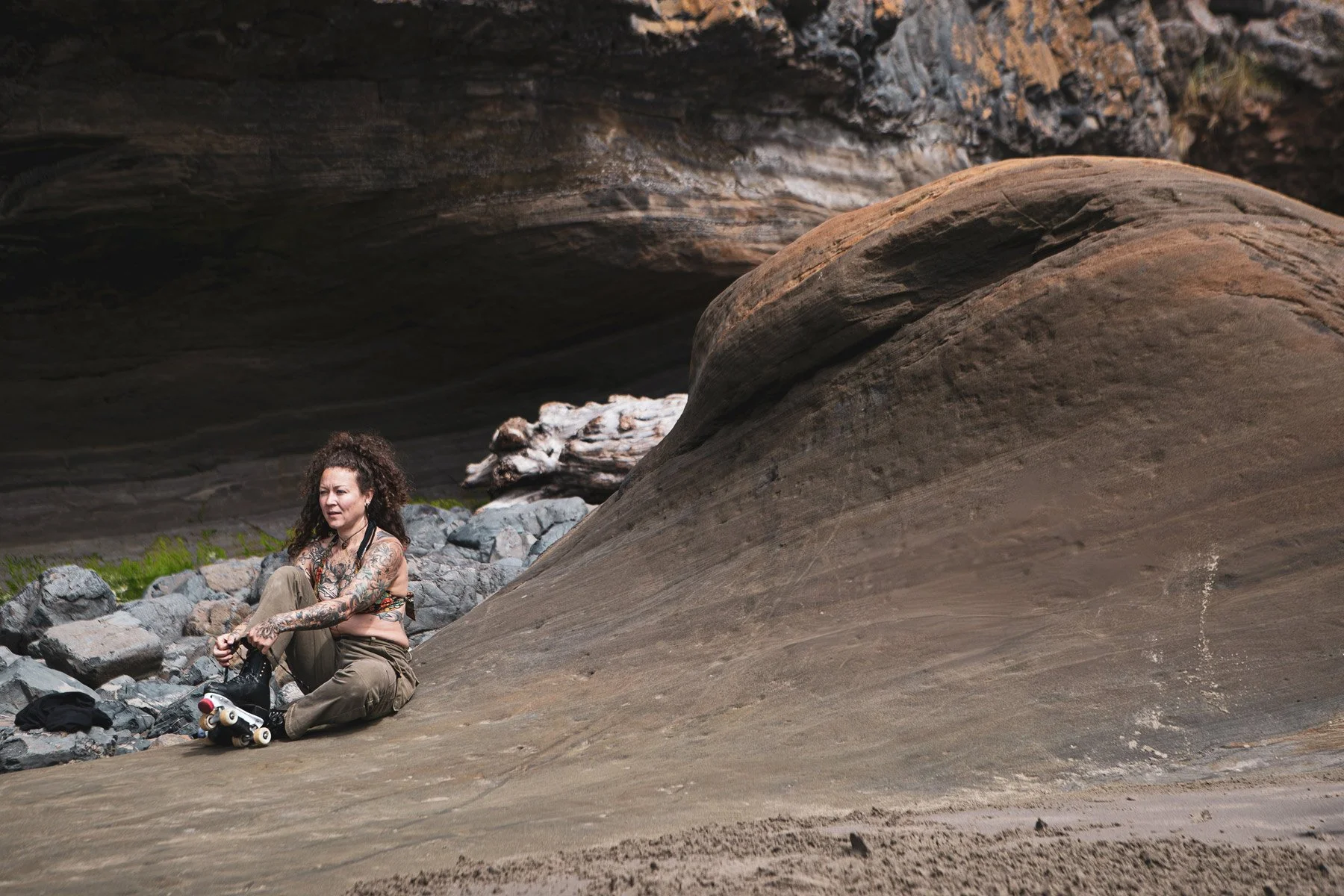
The Oregon Coast is one of the most beautiful places I've ever lived, but it can also feel incredibly isolating. Winters are long, wet, windy, and gray. The skateparks are covered in crust, and the nearest skate scene was usually hours away.
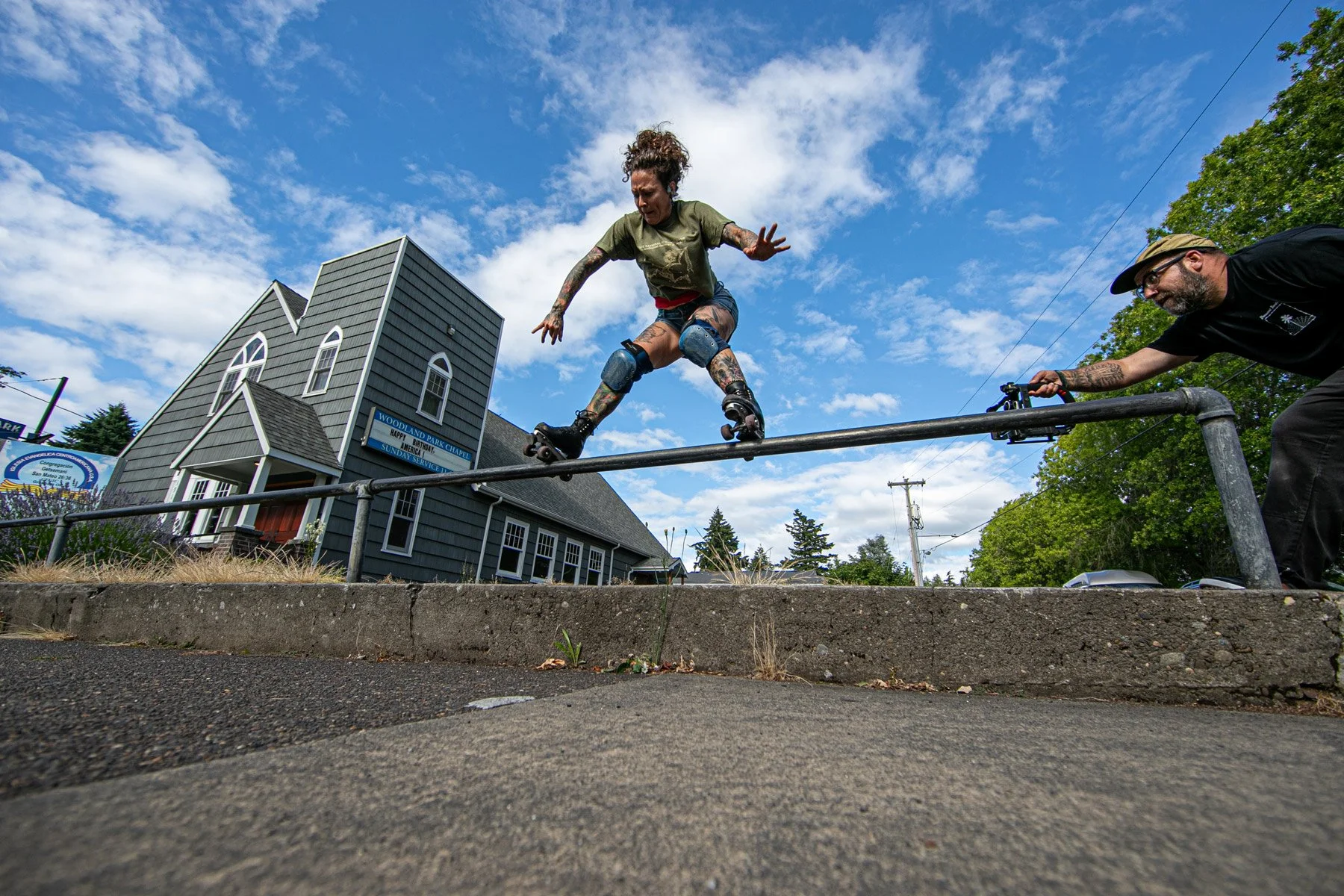
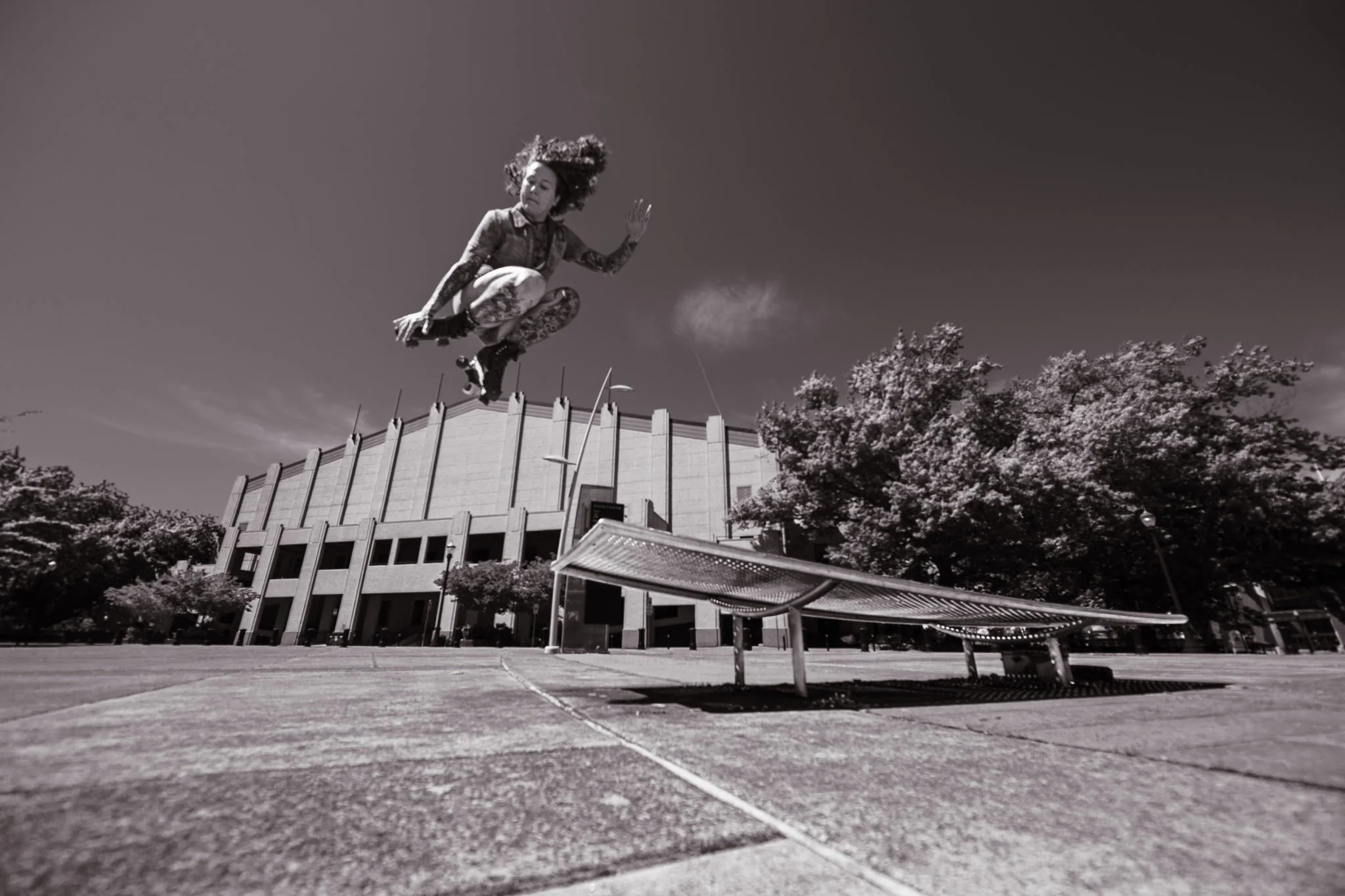
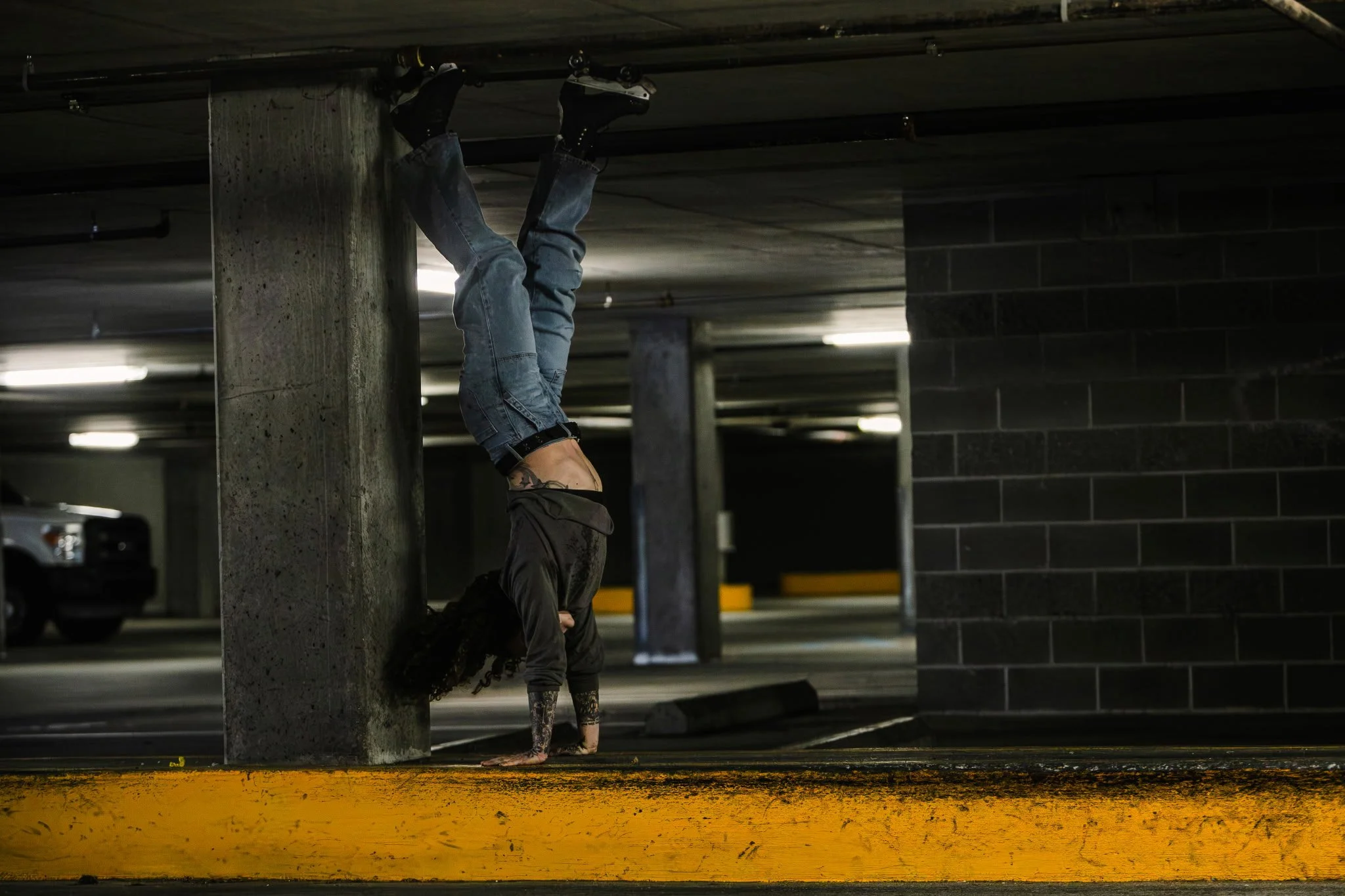
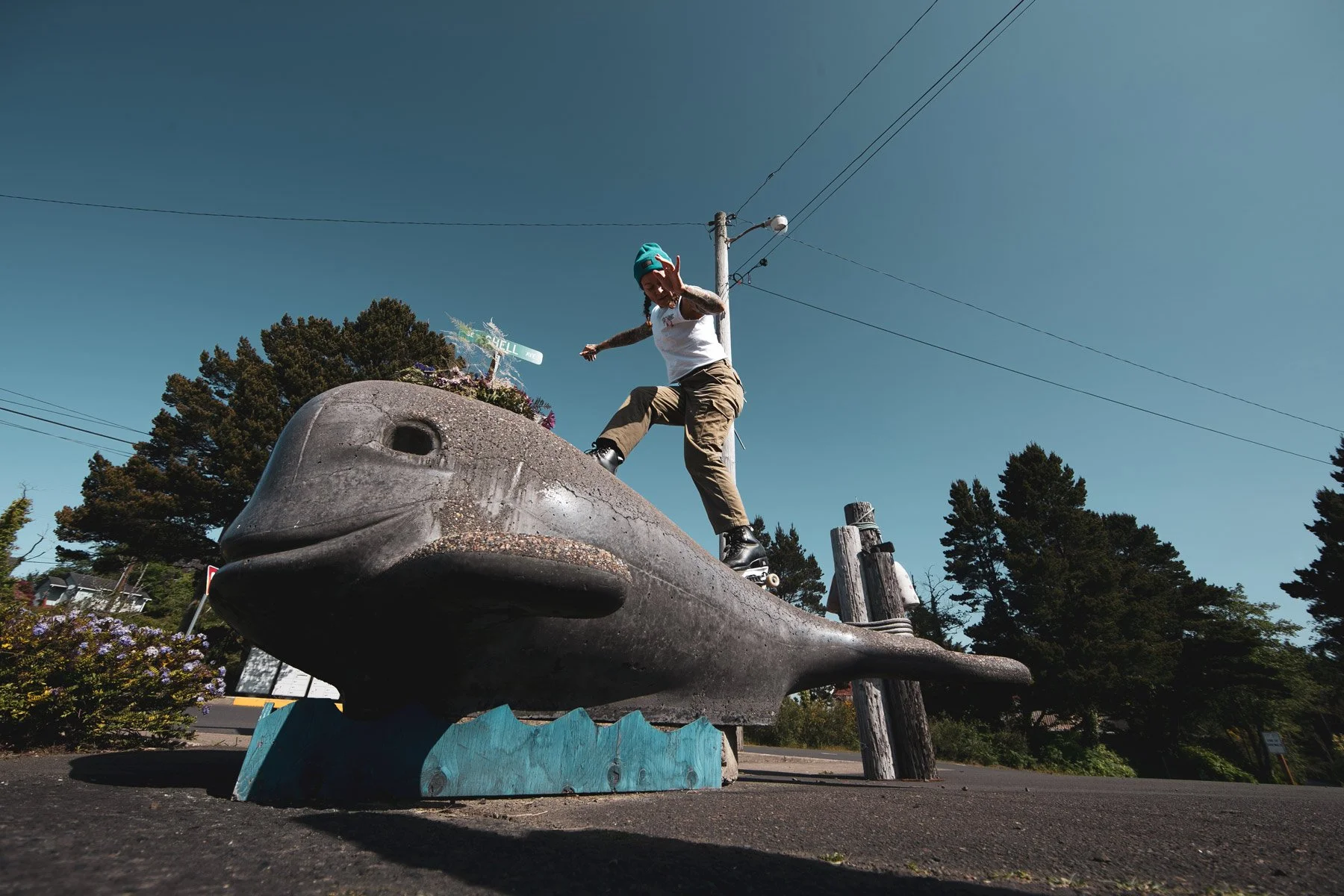
There isn't much of a street skating scene there, so Adam and I spent a lot of time driving around looking for spots that no one had really touched before. That isolation shaped this project as much as the skating itself.
Coastal Depression is a heavy title. What does it mean to you?
It's a play on "coastal depression," the weather system, (Adam's idea), incorporating the depression I experienced while living on the Oregon Coast. I was isolated, far from friends, and working as a Chief Medicolegal Death Investigator, where I was on call nearly 24/7. The demands of the job slowly took away the one thing that had always been my outlet, skating.
But the part isn't really about sadness. It's about rebuilding. It's about finding purpose again through skating, accepting my body's limitations, and proving to myself that I could still create something meaningful, even during a time when I was struggling with depression and often lacked the motivation to skate the parks around me. Street skating gave me a new challenge, a new perspective, and ultimately helped me reconnect with why I fell in love with skating in the first place.
You found some wild spots, like that natural quarter on the beach and the "Truck" mini ramp. Do you have a favorite, and what is the story behind it?
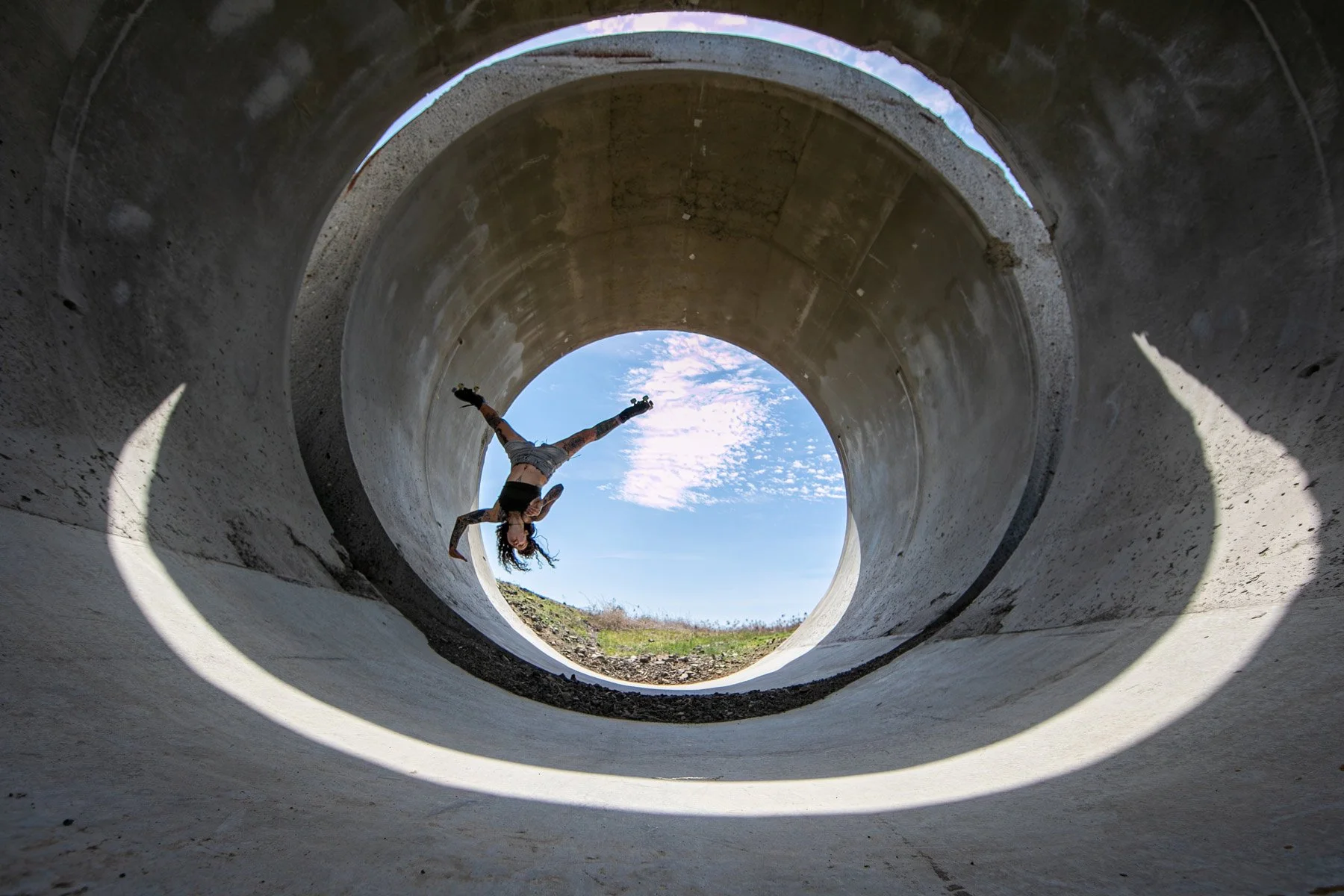
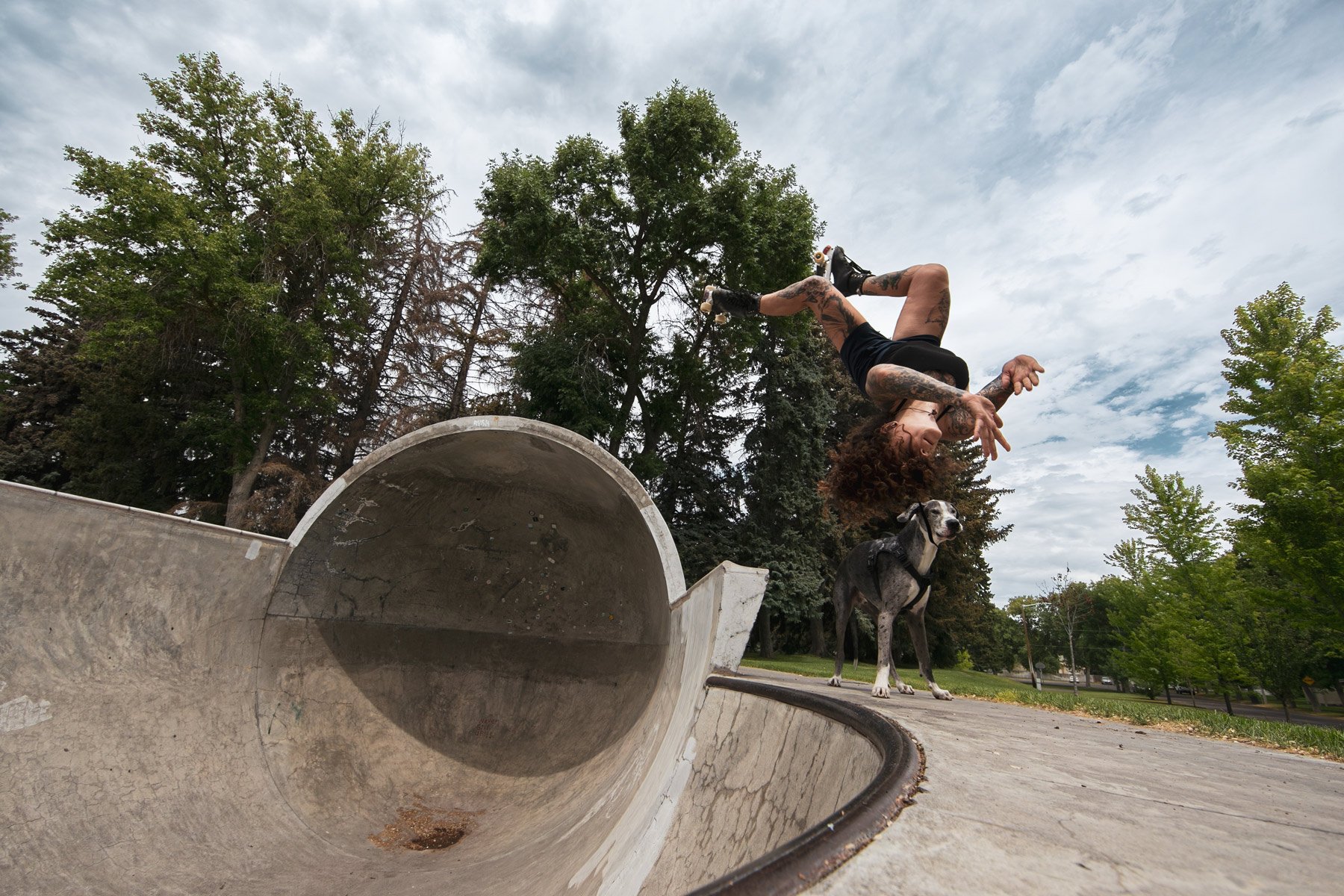
Every spot had its own personality, but if I had to pick one, it would be the full pipe in the middle of a field in Washington. It was just such a bizarre thing to come across, and once we started skating, it was incredibly fun. The hardest part was that there was no flat bottom, so you were constantly pumping and trying to gain speed while skating a complete circle. It was unlike anything I'd ever skated before, and figuring it out was such a rewarding challenge.
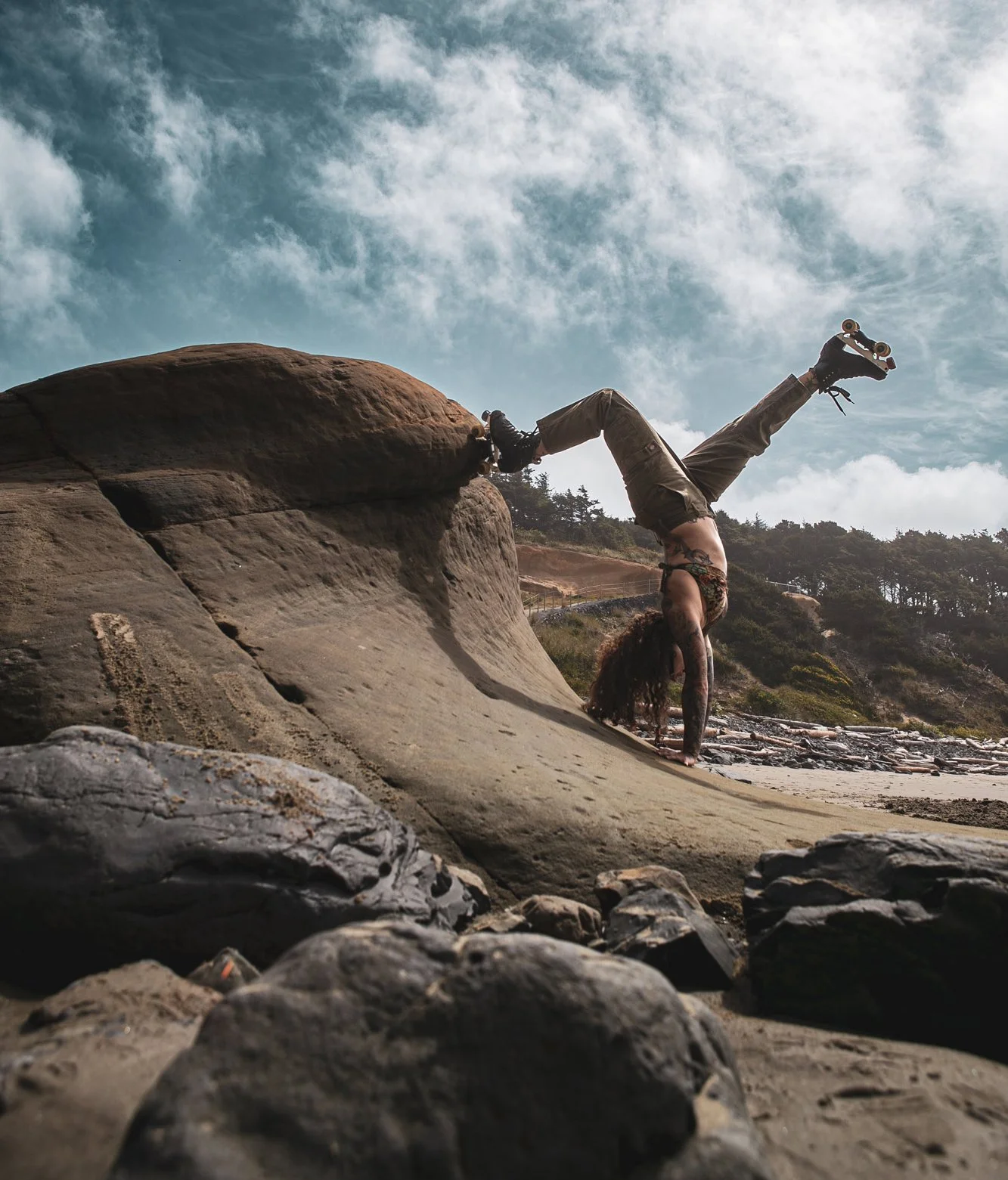
The beach quarter was probably the most surreal. It only exists at low tide, so you have this small window where nature creates this perfect transition. Skating a wave-shaped rock with the ocean behind you felt almost unreal.
Then there was the truck mini ramp. When Adam first told me about it, I remember thinking, "Yeah, I'll try it," but I wasn't expecting much. I was completely wrong. It was ridiculously fun, incredibly fast, and gave me such an adrenaline rush. I'm pretty sure OSHA would've had a few concerns, but it ended up being one of the most memorable sessions of the project.
I love spots that make you think differently. They force you to adapt, be creative, and figure things out as you go. That's what street skating is all about to me.
You worked closely with Adam on this project. How did it feel to build something like this together as partners, both on and off skates?
This project wouldn't exist without Adam. When I doubted whether I was "good enough" to make a full street part, he kept pushing me to believe I could. We spent a lot of time driving around, searching for spots, filming, and problem-solving together. Sharing that experience with someone who believes in you makes the whole process even more meaningful.
Filming a full part takes time, patience, and a lot of falling. What was the hardest part of the process for you?
Learning to be patient. Some tricks took multiple attempts with lots of falls, and finding the time to find spots, motivation to skate and then bring it all together. I also had to work around chronic illness and a full-time job, so filming happened whenever I could make time. The biggest lesson was accepting that progress didn't always happen on my timeline.
You're about to move to Portland. What are you hoping to find there, both in terms of skating and in your day-to-day life?
I'm excited to be around our friends and more skaters, have easier access to spots, parks, and the skate community. Living on the coast taught me a lot, but I'm ready to feel connected again. Outside of skating, I'm looking forward to having more balance, settling down with Adam into a home and enjoying our lives together with our fur babies, Odin and Guthrie.
After finishing Coastal Depression, does it feel like closing something or opening something new? What ideas are starting to take shape now?
A little of both. It feels like closing a chapter that I needed to express, but it's also given me confidence to keep creating. I want to continue making skate content that feels authentic, pushes myself creatively, and hopefully inspire more quad skaters to film street parts. I think we're only scratching the surface of what's possible on quads.
Lighting Round
Loose or tight trucks? I don't like them too lose or too tight, so in-between. I make micro-ajustments until they feel right.
Favorite song to skate to? N 2 Gether Now. Limp Bizkit and Method Man.
A skater who inspires you? Every time I watch clips of Jammalynn skate, I feel inspired. We've never met, but I really hope our paths cross someday. She has this incredible ability to make everything look effortless while radiating so much joy. She seems to always be genuinely having the best time whenever she on skates, and that energy is contagious. On top of that, she's ridiculously talented. Watching clips of her skating Burnside like it was easy completely blew my mind. She's one of those skaters who reminds me that skating is about more than tricks. It's about creativity, confidence, and having fun. That's something I really admire.
Perfect set up: Ramps or DIY spots? This is a hard one! My younger self would say ramps, me now, I am loving DIY spots!
Favorite place to skate? Burnside!
Next destination? We have been in Montana for awhile and it's absolutely gorgeous and the parks are so fun, especially in Whitefish. We are heading to Wyoming next to explore and visit my family.
A skater people should keep an eye on?
Ayana without a doubt. I've been following her for about a year now, and her progression has been absolutely mind-blowing. From huge backflips to technical grinds, she keeps raising the bar for what's possible on quad skates.
We've never met, but through the clips she shares and the way she interacts with the skating community, she comes across as a genuinely kind and humble skater. I truly believe she's part of the future of park skating, and I can't wait to see where her skating takes her.
Favorite food? Anything plant based and gluten free!
Dream Trick? A death drop! I've only tried one once, and thankfully it didn't go horribly—but wow, that trick is intimidating. Huge respect to everyone who can throw them with confidence. You all are absolutely gnarly.
Roller skating needs more…People creating for themselves instead of chasing validation. More community over competition. I think the best skating happens when we're supporting each other and encouraging skaters to put their own ideas out into the world.