
QUADZILLA Zine
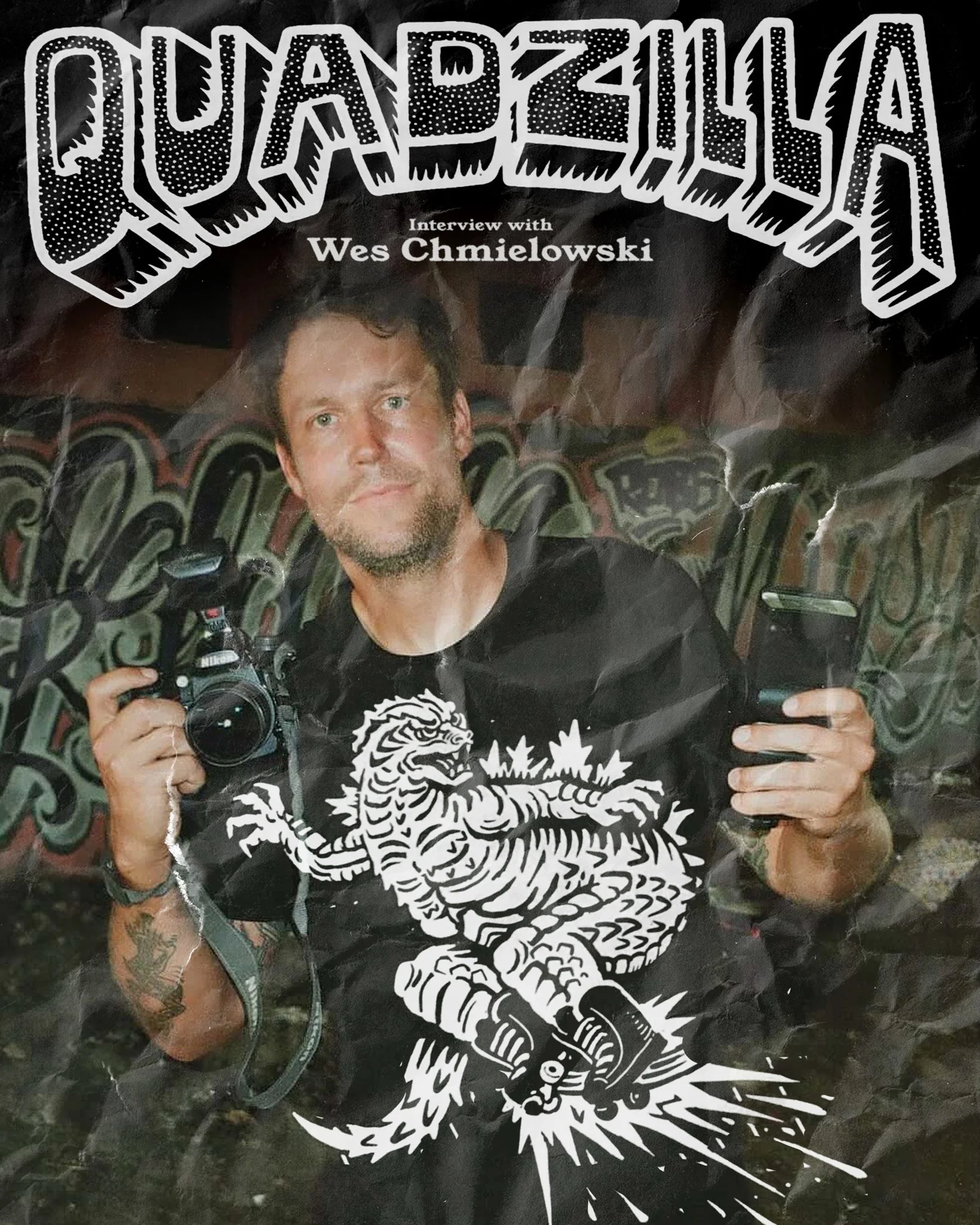
Photo © Tatiana @_beerslug
An interview with Wes Chmielowski from Quadzilla zine.
Words by Ragnaroll. Photography ©Wes Chmielowski
Wheels, paper, and everything in between: A conversation with Wes from Quadzilla.
There’s something stubborn and beautiful about print. In the world of doomscrolling, a zine asks you to stop, sit down, and really look. Quadzilla is one of those projects. Born from a skateboarder’s eye and carried by the energy of the roller skating scene, it’s now seven issues deep and still rolling.
We caught up with Wes to talk about crossing scenes, building a zine from scratch, and why paper still matters.
Let’s start with you. What’s your background in skating and photography?
My background in photography really started with shooting photos of parties when I was 18. I had just moved out of my parents’ house and into a house (in Austin, TX) made famous for having crazy parties. I was shooting 35mm film at the time and it was just constant chaos, fighting, graffiti, dancing, drugs, you name it. Even when there wasn’t a party it was kind of an open door policy. People would pass out or just live on the couches for weeks at a time. There would be nights when someone would bring home a random object and we would all take turns destroying it in the living room. I took a photo of a guy who was so drunk that out of nowhere he tried to chop off his finger with a meat cleaver on Halloween. He’s wearing a sailor uniform and his finger is dangling off his hand. I snapped the photo in the moment of him realizing what he had done. There was never a shortage of things to take pictures of in that house.
As far as skating goes I picked it up when I was 6 and was just obsessed with rolling on it. It’s one of my most vivid memories of my childhood. I didn’t start getting into doing tricks until I was around 9 though. There was no social media back then so I didn’t know about skate tricks until years after I started, I just loved rolling on it. When I found out about tricks I went to the library and got a book about skating. It’s pretty much shaped my entire life sense then.
My life changes with the seasons but I am currently teaching at an outdoor education school in Southern California. In the summers I work for a non-profit called Launch Community through Skateboarding located in Fort Collins, Colorado. I’m really passionate about teaching, nature and skating so I’m pretty stoked I get combine all these things I love to make a living. As far as how skating has shaped the way I document stories, it’s hard to say. I feel like skating is all I’ve ever known. I feel like I’ve always been kind of more on the introspective side though. I play the role of the observer a lot. I also enjoy being alone with my thought. Whenever I would go on skateboarding tours I was almost always the designated driver. I existed among all the craziness and partying but writing about it for tour articles kind of gave me a place to exist within that environment. Being sober, it was like watching a movie unfold in front of me. My job was to tell the reader what happened. I’ve also met so many inspiring people who have dedicated their life to skating in one way or another. Skating exposed me to really interesting environments and interesting people. The stories and the interviews write themselves.
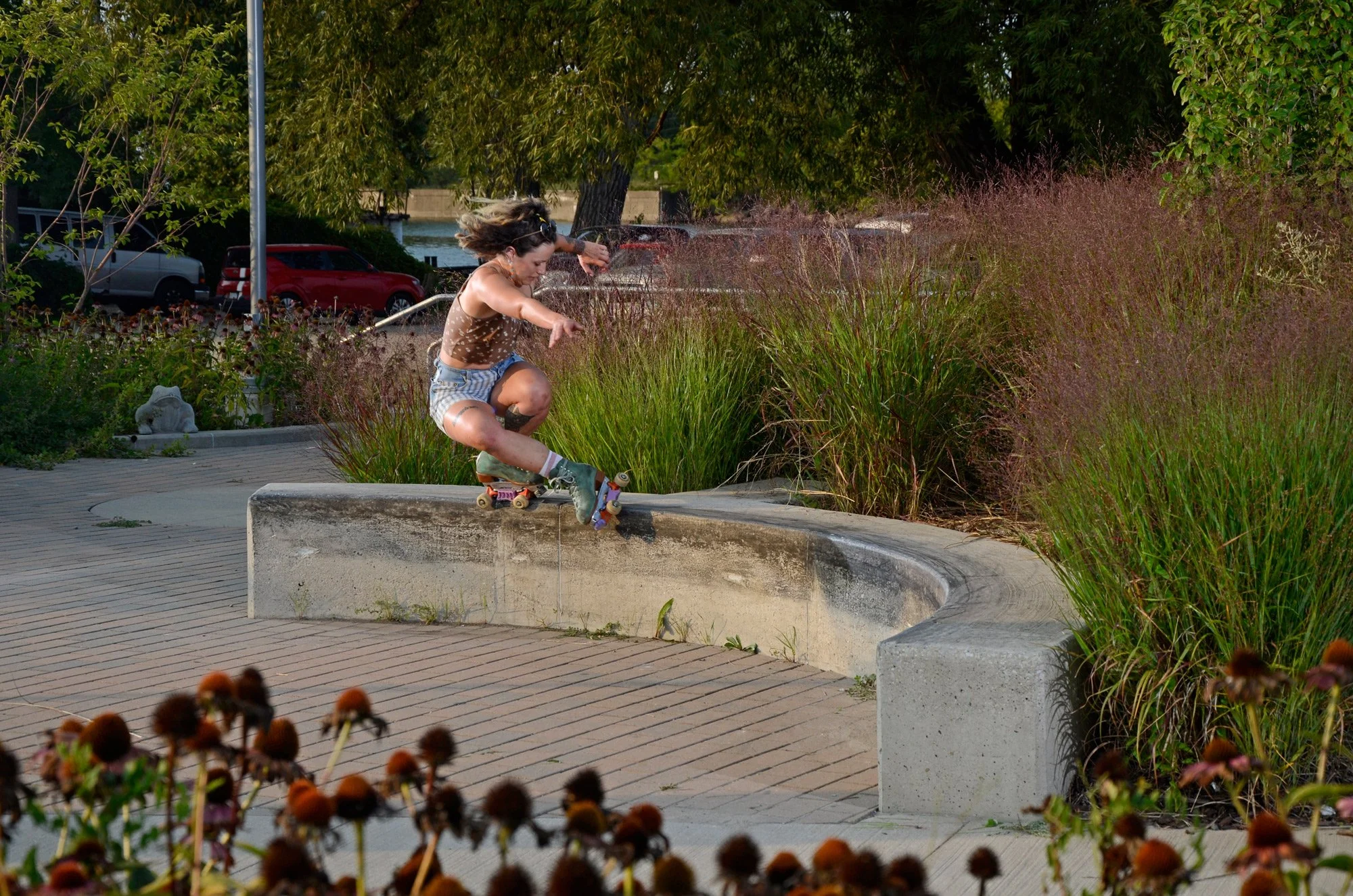
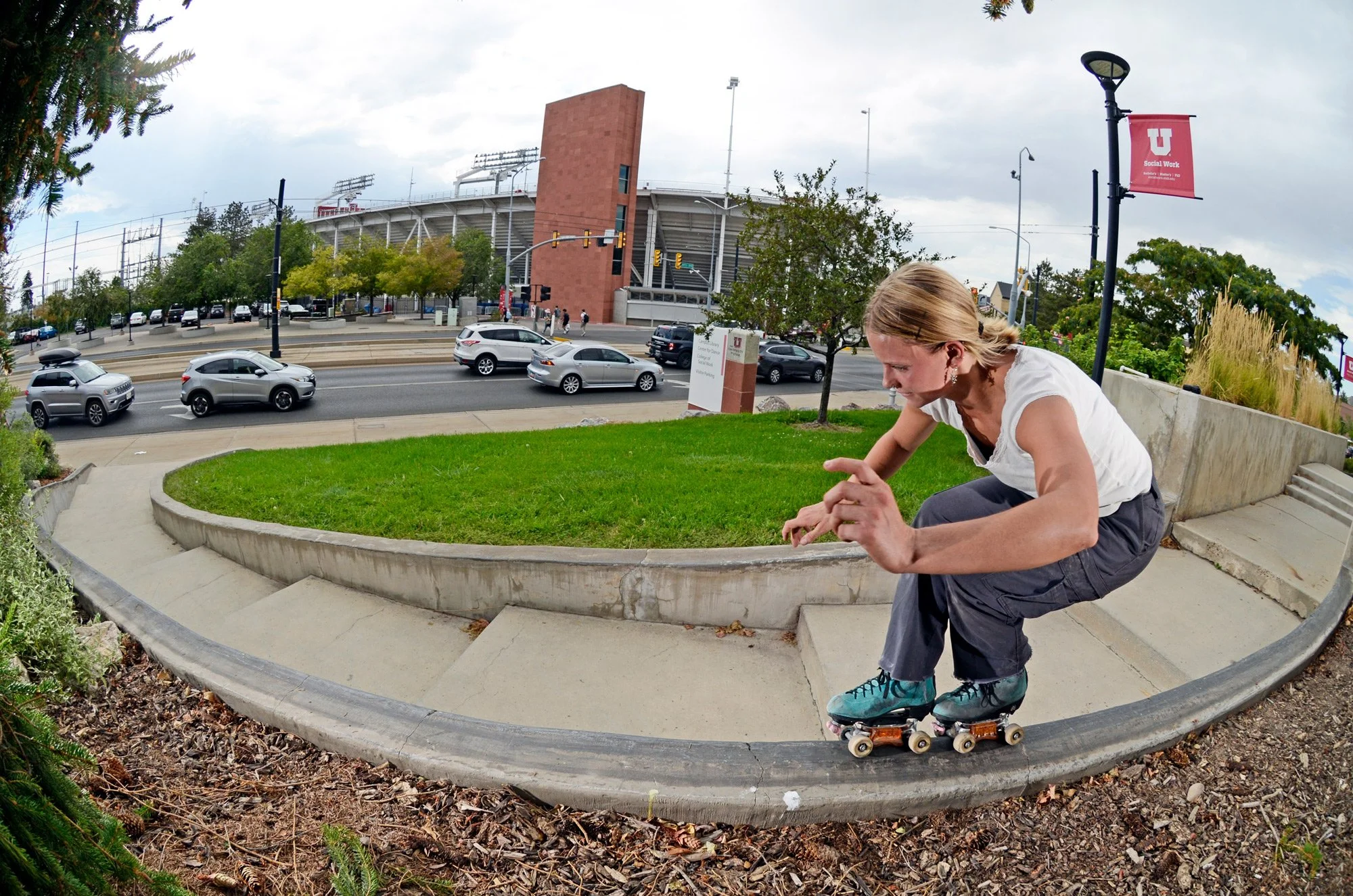
@lilmamaskatie Detroit, Michigan. Issue5
What pulled you from skateboarding into the roller skating scene?
I think it was more that rollerskating got pulled into a place where I already existed. The first place I ever saw rollerskating was at a DIY in Austin Texas. I had just moved back to Texas and all my skateboarding friends were sessioning a spot with a bunch of rollerskaters. The zine originally started because rollerskaters had become part of the community I was already a part of. A community I was already taking photos of. It wasn’t like an “us” and “them” kinda thing. I know it’s not like this everywhere, but at the time in Austin it was really normal to see rollerskaters at all the backyard ramps and DIY sessions. They were in the group chats for the backyard sessions.
I think there was a couple defining moments where things clicked for me. The first was working on the Megan Shaffer interview. That was the first person I met who I felt really matched my dedication to creating something substantial in the world of rollerskating. We both put in a lot of work on that project. I just remember thinking, people got to see this! It’s my job to make sure people see this! This is why I am here! My goal has always been shining on spotlight on talented or inspiring people that don’t have one, rollerskating as a whole is an extremely talented community that needed a spotlight. The Megan interview was one of the first moments that affirmed I was on the right path. I think the next was putting out issue 1. I feel like rollerskating at the time really needed somewhere for the diversity of the community to live in one place. When issue one came out I received so much praise for the diversity in the zine. Kind of ironic because I didn’t even know all these conversations about wearing pads, gender, body types, race and everything else existed. There was a lot of representation in my zine but it wasn’t really on purpose, it just happened organically in the process of creating it. The feedback I got made me realize the importance of what I was doing though.
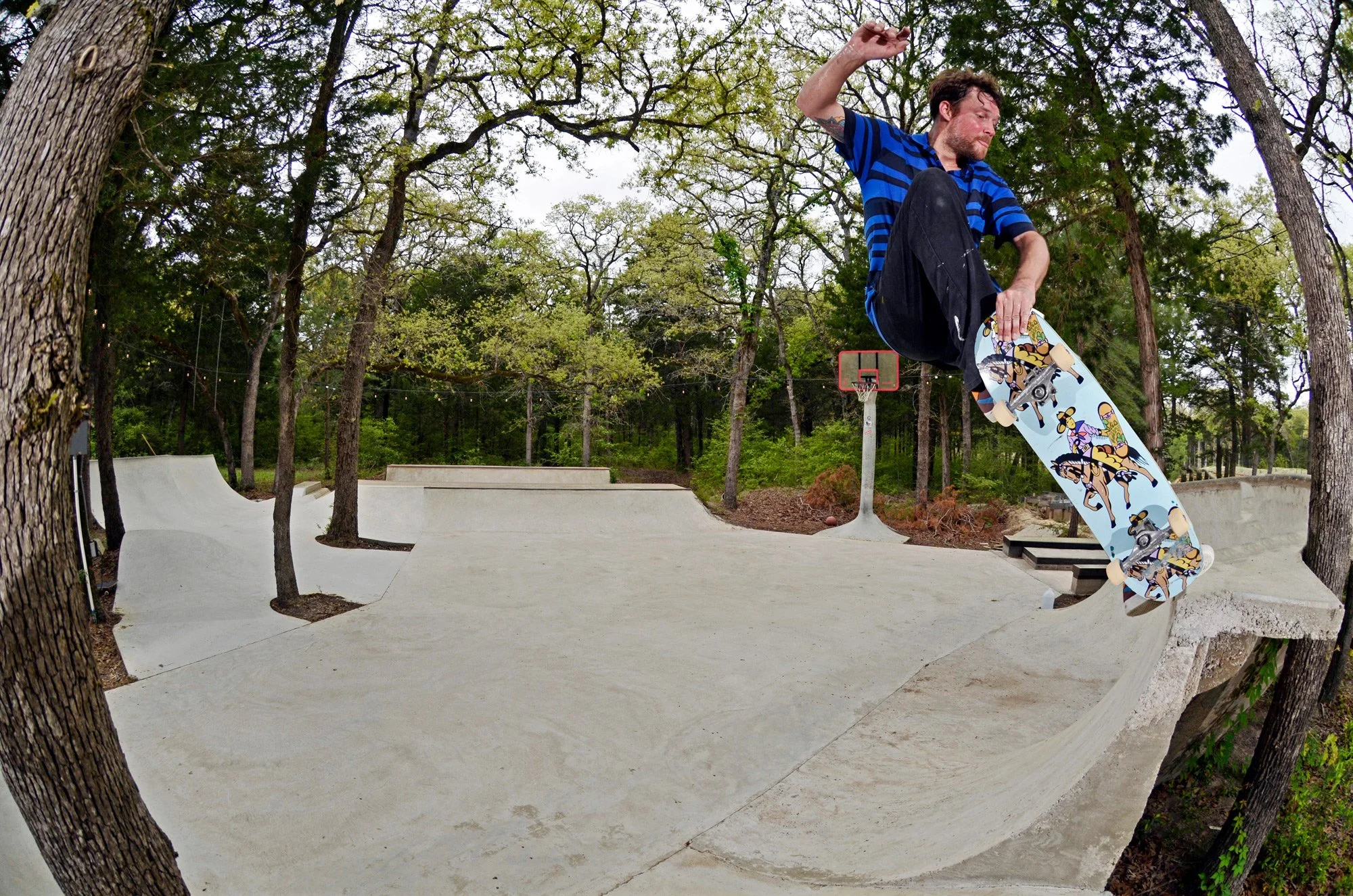
Photo ©Christian Quezada
You recently shared some thoughts online about your struggles. Coming from skateboarding, how did people receive you at first, and how did that evolve?
Oh man, such a loaded question. I was received really well by the rollerskate community overall but I feel like my zine came out of nowhere and just kind of sent shock waves through the community. When issue 1 came out it blew up overnight. I never guessed that it would have so I hadn’t thought that far ahead. When it did there was so many questions about what I was doing? Why did a man who doesn’t rollerskate create this zine? I was met with skepticism which is totally fair. There was a lot of controversy surrounding the industry at the time. Still is. Another question became why does this zine created by a man who doesn’t rollerskate represent rollerksating better than an industry ran by rollerskaters. I was kind of caught in the middle of all these conversations and in many cases didn’t fully side with either. Another huge problem I’ve had is copyright infringement. That’s a conversation best talked about after issue 8 comes out though. I have an article written about my experiences with that and the way it changed my approach to creating the zine.
I feel like the whole “he’s a skateboarder” thing is kind of a cop out for just being a hater without any real ammo fire. I skate, you skate. It looks a little different but I’m not missing the point. Not all rollerskaters agree and differences in opinion are what help keep skating cool. If you hate me or think I’m a culture vulture, I fully back it. How some rollerskaters can preach inclusivity while actively trying to single someone out with the same level of passion is fascinating to me. I had never really experienced drama or aggressions towards me in the world of skateboarding. At this point I’ve worked in person with so many rollerskaters and I’ve hosted so many events that I’m not only documenting the community, I’m fully part of it. I’m sure there’s still some closeted haters out there but my network is pretty big these days. Haters are far and few between. I love it when someone tells me they used to feel negatively about what I was doing only to become friends later in life. It takes a certain level a friendship and courage to tell someone that. It makes it special.
There’s so much more to these stories, but I really dive in on my story as well as others in the next issue “The Industry Issue.”
When did the idea for Quadzilla first appear?
The idea first appeared in Austin, TX. I came back from living in Colorado where I was spending all my free time solo in the forest. I was really unplugged and not skating much. I got back to Texas and this new to me rollerskate scene had meshed together with the skateboarding scene.
The plan was always to make it a zine. I’ve been making zines for 11 years now. I love filming too but I got burnt out finishing a 3 year film project and changed directions. I decided I like the work flow of creating zines better.
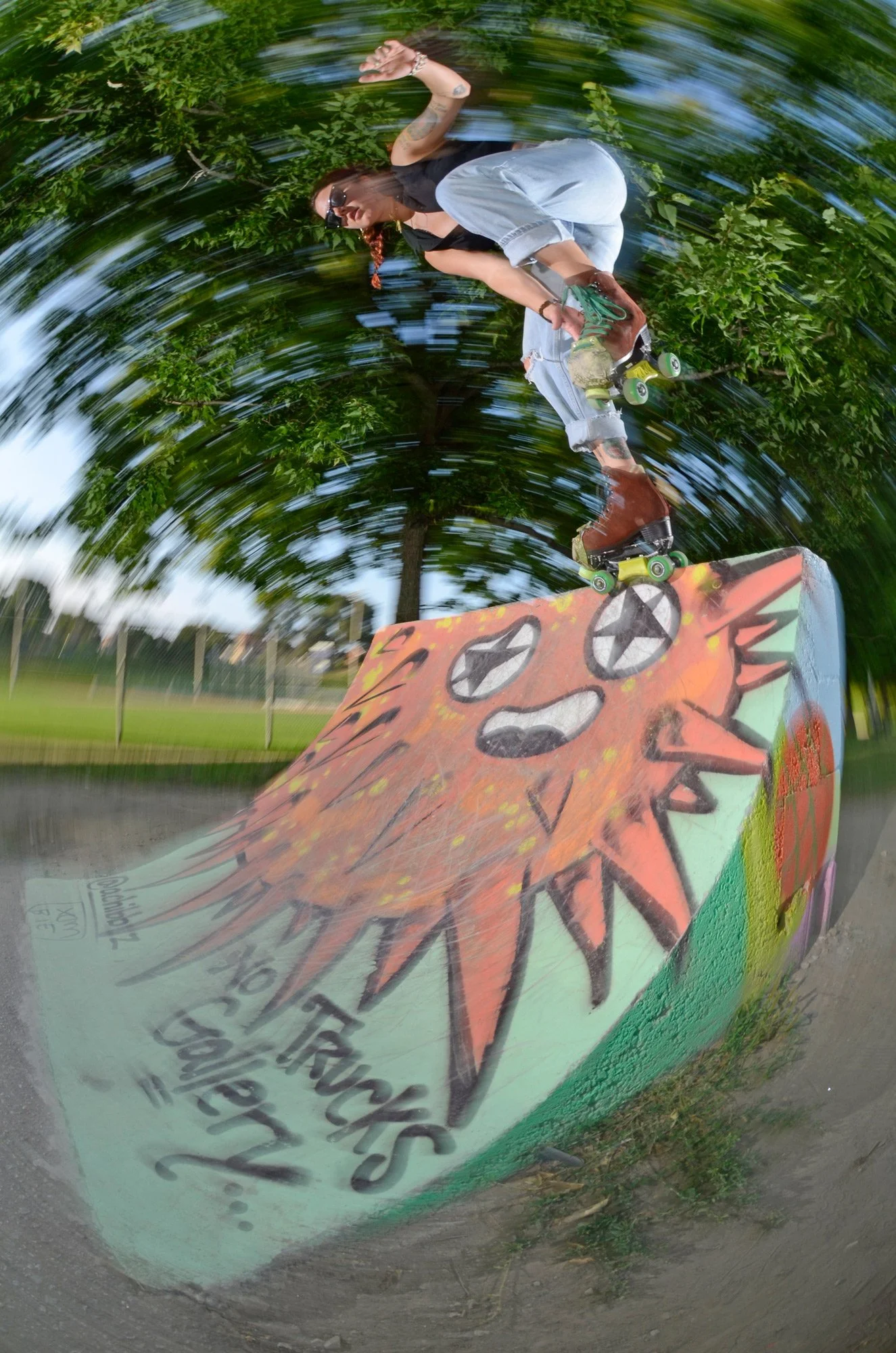
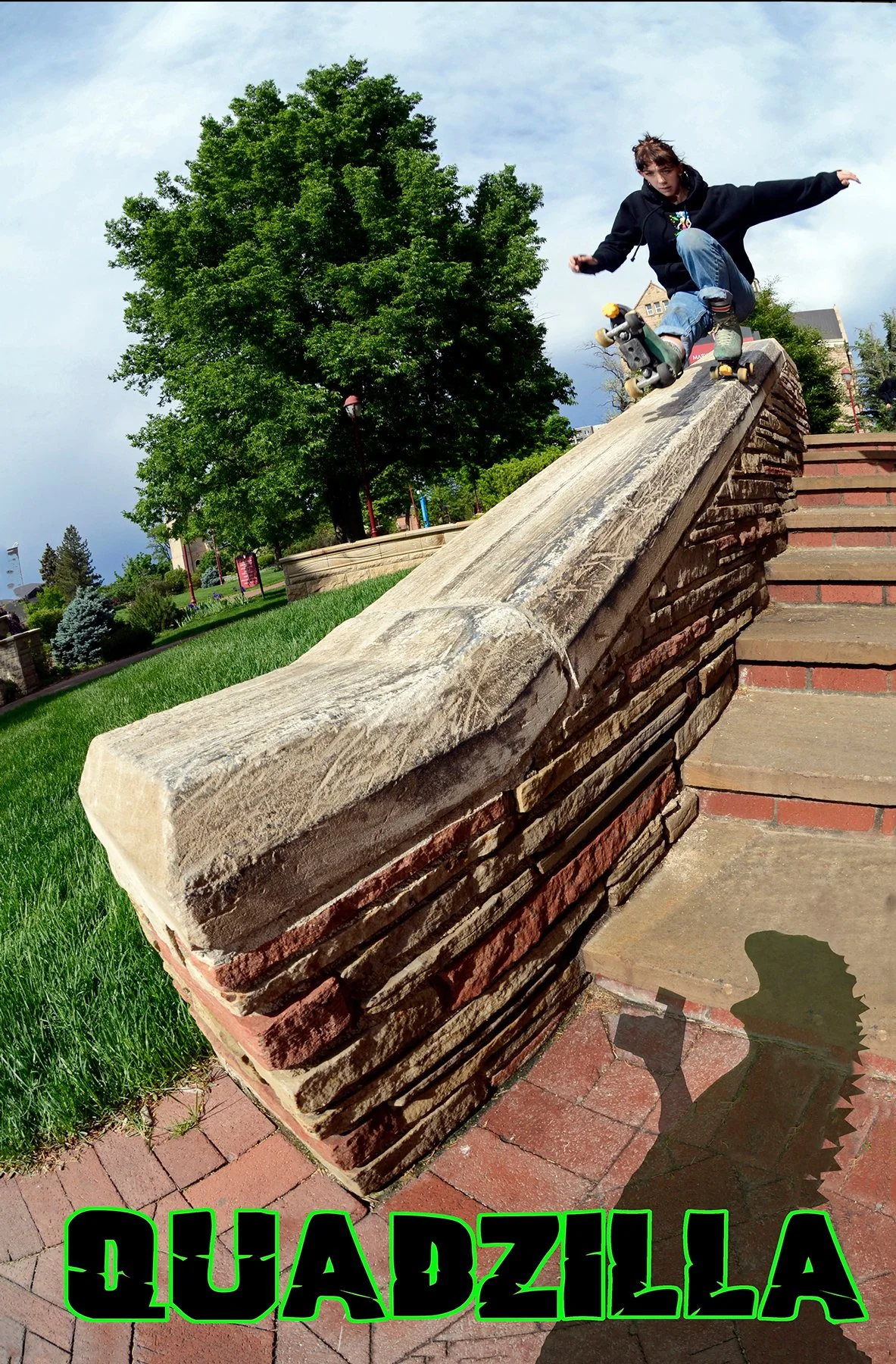
@honeygarlic Toronto, Canada. Issue5.
The question everyone is asking: Why Quadzilla? Let’s talk about the name.
The story of the name came to me in the shower. I know that’s cliché but it’s true. I never heard of Mo Sanders, aka Quadzilla prior to publishing the zine. Whenever I put out issue one I made some roller derby skaters really upset. The dude is a legend in derby. I didn’t know anything about roller derby and I barely knew anything about aggressive quad skating when I put out issue 1. I had no idea what I was doing honestly outside of creating the physical zine. I reached out to Mo as soon as I found it. He originally was supportive of it and we concluded that great minds think alike. I use to send screenshots of our conversation to people who would call me out on using his derby name. I sent him a zine and stickers and thought we were cool. I was happy to have him on my side. After the zine gained more traction though he decided that he wasn’t a fan because of the name. I’m bummed that he feels that way.
Why print, in a time where everything lives online?
I make this zine because I love making it. I love the purpose that it puts behind my photography. I love bringing people together in the zine and also at the events. I like the people I meet and the places it takes me. The camaraderie of working on an article or interview. I like the feedback I get. It’s also the best way I could piece together a bunch of different elements I love about skating into the same place. It’s really challenging and time-consuming thing for me. The amount I’ve pushed myself within the role has really surprised me at times. I’m obsessed in all honesty.
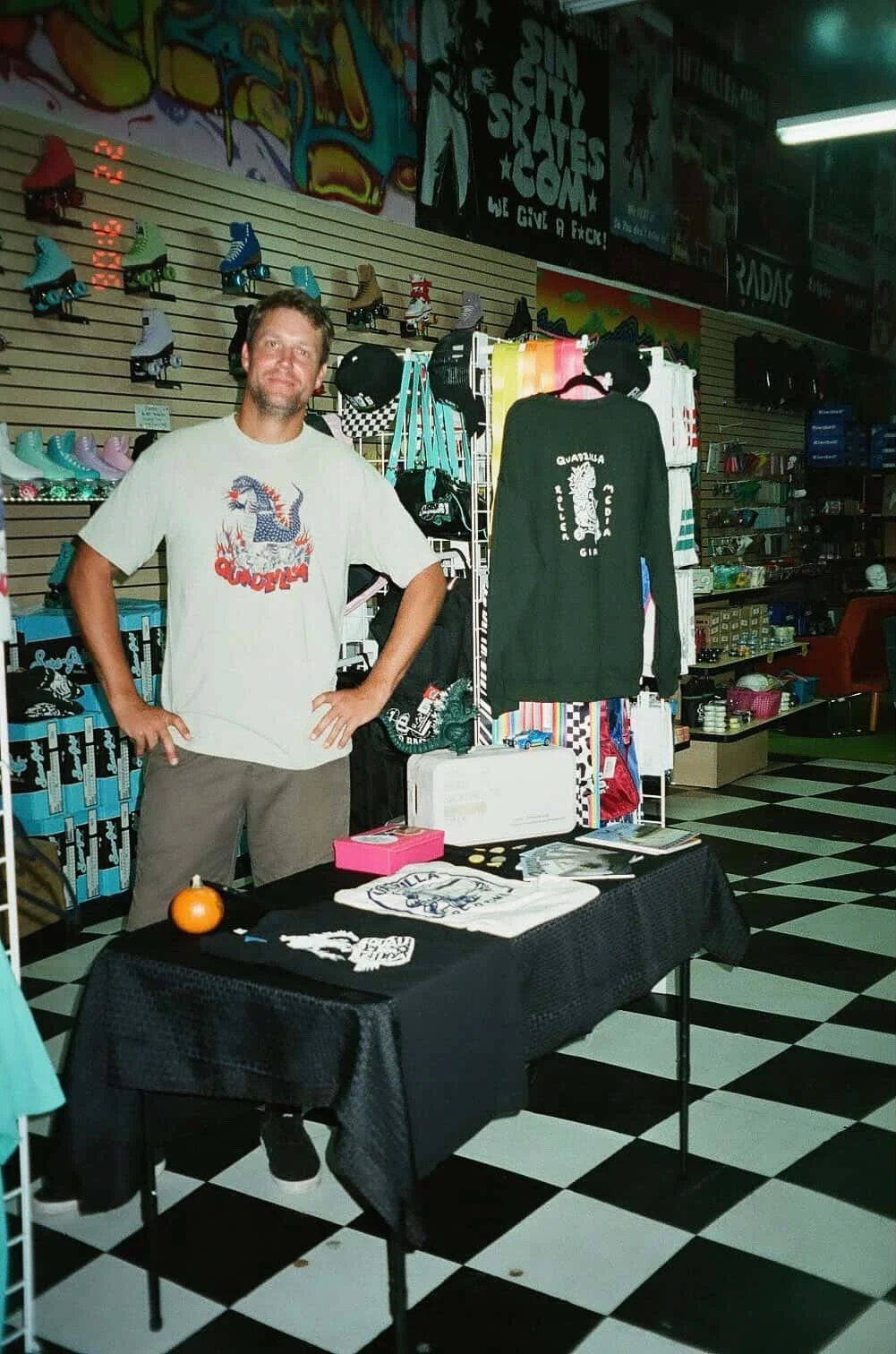
Photo © Tatiana @_beerslug
You’ve now released seven issues. How has Quadzilla changed from the first one to now?
I think over all the process of creating the zine has been pretty much the same. I’m just way more connected in the community now. I’ve been able to collaborate more with people on zine release stuff. I also have my head wrapped around who I want to interview and communities I want to visit or revisit. Whenever I was working on issue 1, the end goal was simply to make a street/DIY rollerskate zine. I feel like my vision is a little more foreword thinking these days.
Bit of a tangent here but when I first started making zines I had no idea what I was doing. I kept going into the print shop and every day this guy would tell me I needed to fix all this stuff on my file. I came in 3 separate days and couldn’t get it right. I was working at a sandwich shop down the street and I traded him a free lunch to help me set up my files, give me advice and create a print template.
Shooting roller skaters can be different from shooting skateboarders. What surprised you the most?
I guess one of the main differences that I miss is I’m not going on any cross-country trips with a crew or team of rollerskaters. In skateboarding I would live with big groups of people on the road a lot more. You get really close really fast that way. You’re also just kind of subjected to whatever the group wants to do. It’s way more go with the flow, less to think about. It’s something I really miss honestly. In rollerskating I have to plan every shoot, make connections, make the spot list, pay for the gas. It’s a lot more work. On a positive note, there’s no board flying at me while I am trying to take a picture, that’s kind of nice. Tricks go down way quicker too. Shooting skateboarding I’ve been back to a spot 8 times for the skateboarder to land their trick. It’s funny when rollerskaters apologize to me for taking too long to land their theirs. Another difference is how many people will be on a session. Skateboarders go out in really big numbers sometimes. It’s easier to hit a giant handrail when there’s a dozen of your friends cheering you on across the street. The dynamics can be different but skateboarders and rollerskaters are cut from the same cloth. Their mentality is the same. Working with both, I feel very much in my element.
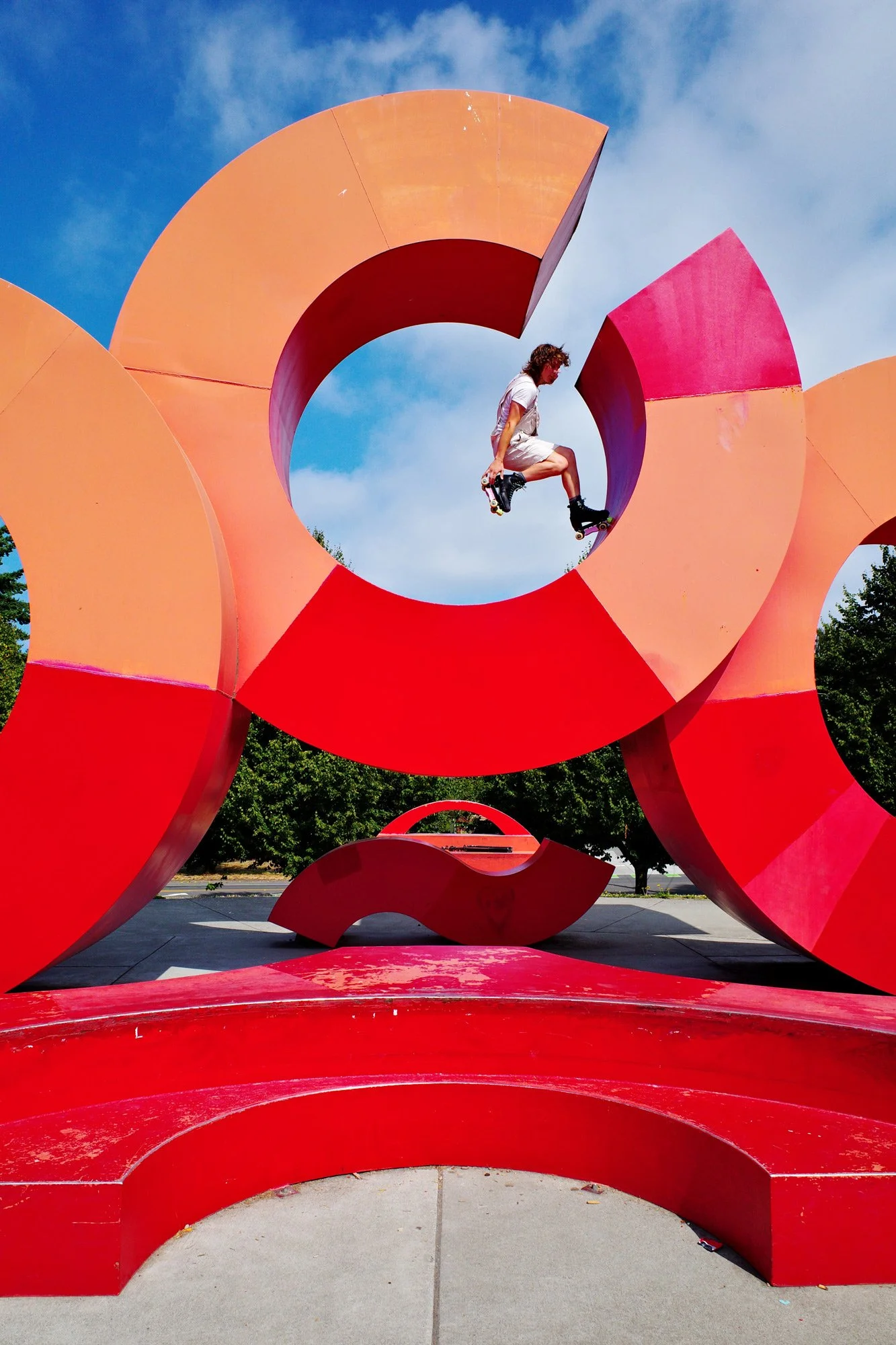
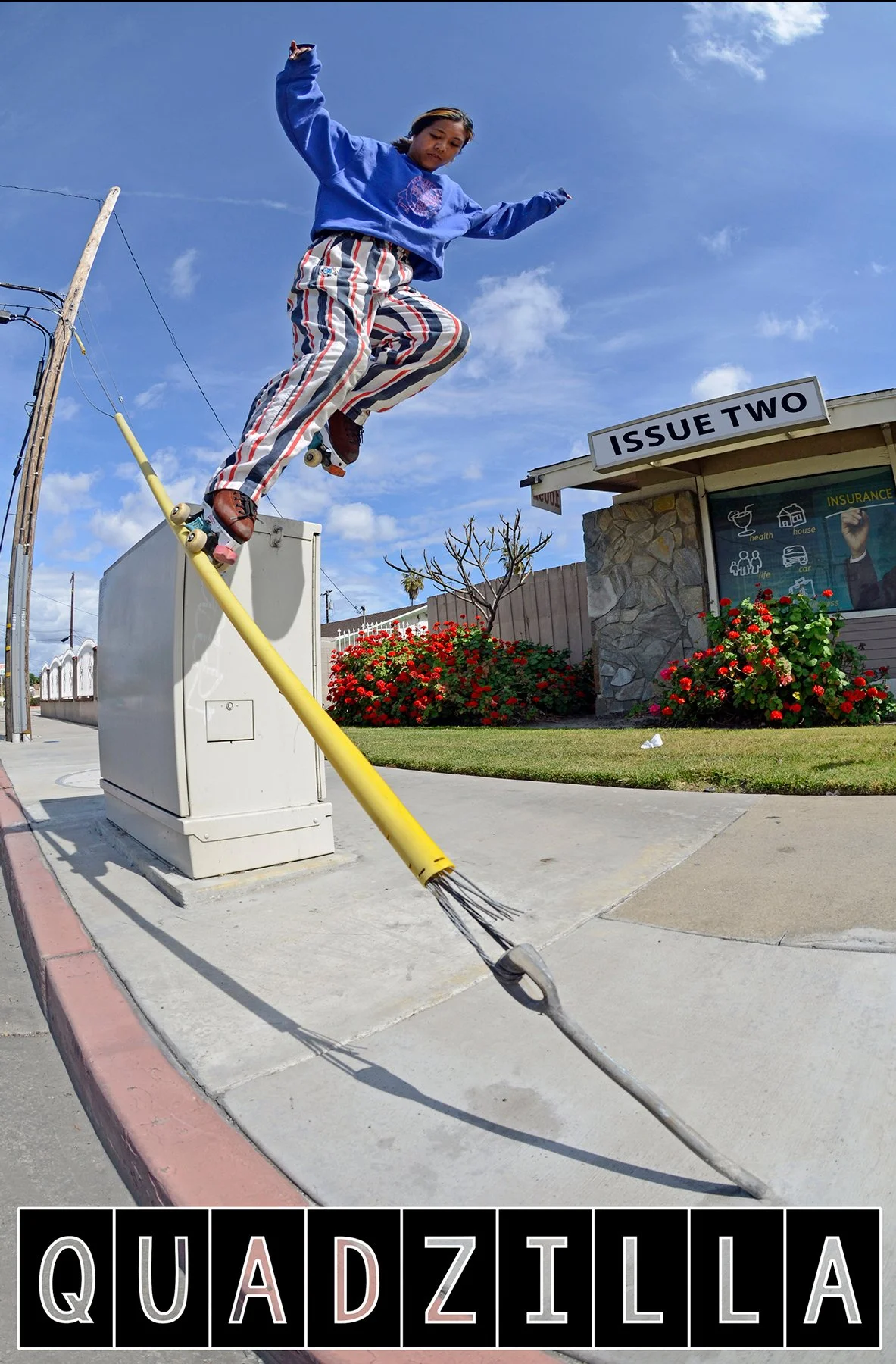
@rosekir.by Seatle, Washington. Issue3.
What’s your process for putting an issue together?
This question can be answered in so many ways. I think the easiest I could describe it is that I pinpoint one or two thing that I really want to do with the zine. Then in pursuing those things there’s a a ripple effect that leads to the rest of it coming together. One particular example of this is the Amber Haze interview. I specifically went to Portland to interview Amber and it resulted in issue 4 being filled with Portland skaters. I ended up doing a zine release in Portland because of that. At the zine release I made connections with Five Stride the local skate shop and gained a food sponsor for future events. When I started Issue 4 I only set out to complete one goal. Interview Amber. That shaped the entire issue.
In meeting skaters I meet a lot of artists too. I also see art that rollerskaters share on Instagram. If I can I try to include the skaters, artist and writers from the same community in the layout of the article. I work on the zine after work during the week and shoot photos during the weekend. I’ve shot photos 14 out of the last 15 weekends. The one weekend I didn’t shoot, I did a turnaround flight on a Saturday for a zine release in Denver. I edit during the weekdays after work pretty much every day. Once a year I do a big road trip to get content too. Rollerskating is interesting because I really have to travel a lot to capture it the way I want to . There’s not enough density of skaters in one particular city to create multiple zines in the same place. I put in a lot of miles to keep it fresh.
Quadzilla feels like more than a one-person project. Writing, photography, layout design, distribution… Do you have a team to help you?
I kind of have two teams. I have my tried and true contributors who are always down to help and then I have a list of new people that are contributing for the first time. I’m always trying to get new voices, photographers and art in there though. I’ve been shooting 95% of the photos but I’m starting to see a lot more work being contributed. There is an article in the next issue that features writing, art design, skaters and multiple photographers all from the same city.
Most of the art and writing is contributed by rollerskaters. Some are people I’ve met and some are people I haven’t met yet. I love reading what people write though. Some of the articles are so good. I’ve laughed out loud reading articles, some have made me very emotional. Some are written about topics I never even knew existed. Not every issue, but I write occasionally too. I also got to give a shout out to my longtime friend Paky Callahan. He’s helped with a lot of promo and shirt design stuff since the beginning. He’s been doing art for various projects I’ve been a part of for over a decade now. I have friends who help me screen print. In some cities I have friends in the skateboarding community who link me up with all the spots. Even my mom has helped sew tags onto merch. I rely heavily on community to keep this thing going.

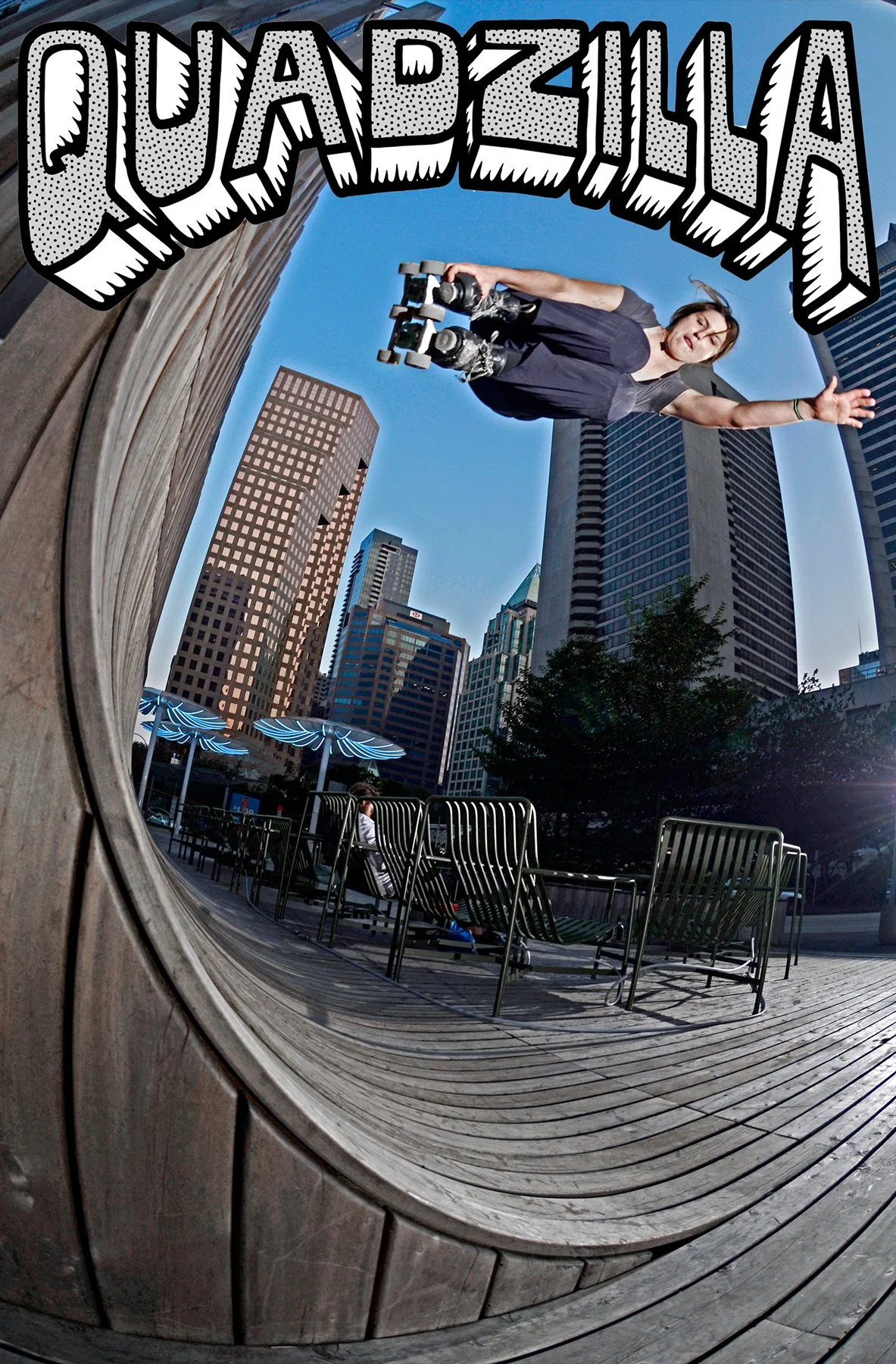
@oopsiforgotmykeys Denver, Colorado. Issue7.
Independent print isn’t easy. How do you manage and fund the zine?
I’m a work hard, play hard kind of guy. I just work hard and live minimally a good portion of the year. The zine is mostly community supported. I support it out of my own pocket at times too. I had one issue that for whatever reason didn’t do super well on sales. After all the hard work and financial investment that was a horrible feeling. Often my plane ticket/rental car/airport parking costs more or less than what I make at the zine release I'm flying to. It’s a really big, time consuming, break even project. The biggest variable is gas prices and right now they are $6 a gallon in California. For someone who drives a lot it’s not good. I also currently don’t offer any advertising. There’s a handful of companies in rollerskating that I really back, but outside of that I’m kind of turned off by the rollerskate industry. I want to keep my zine pure and reputable.
You’ve also released merch alongside the zine. How did that come into play?
I knew merch was a way to help sustain the zine from the beginning. My other zine Chimpanzine kind of taught me everything I knew about running a zine, hosting an event, as well as printing. I made so many mistakes and learned so many things the hard way before starting Quadzilla. It was a really cool experience to create something new with skills I had been developing for years prior. It’s also just super cool to see people repping the zine. A lot of my skateboard friends will hit me up and be like, “I met this girl at the skatepark, she was wearing a Quadzilla tshirt.”
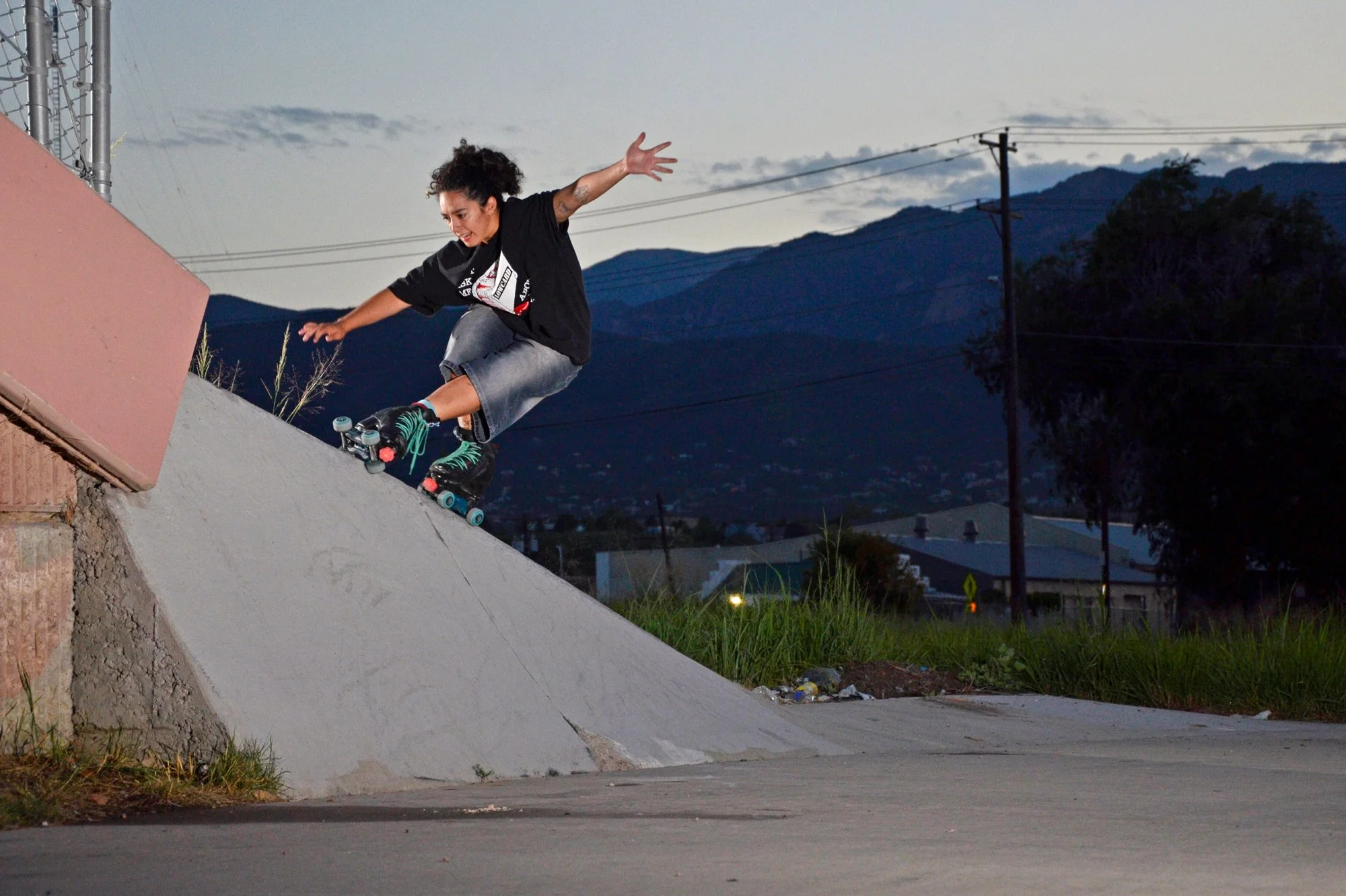
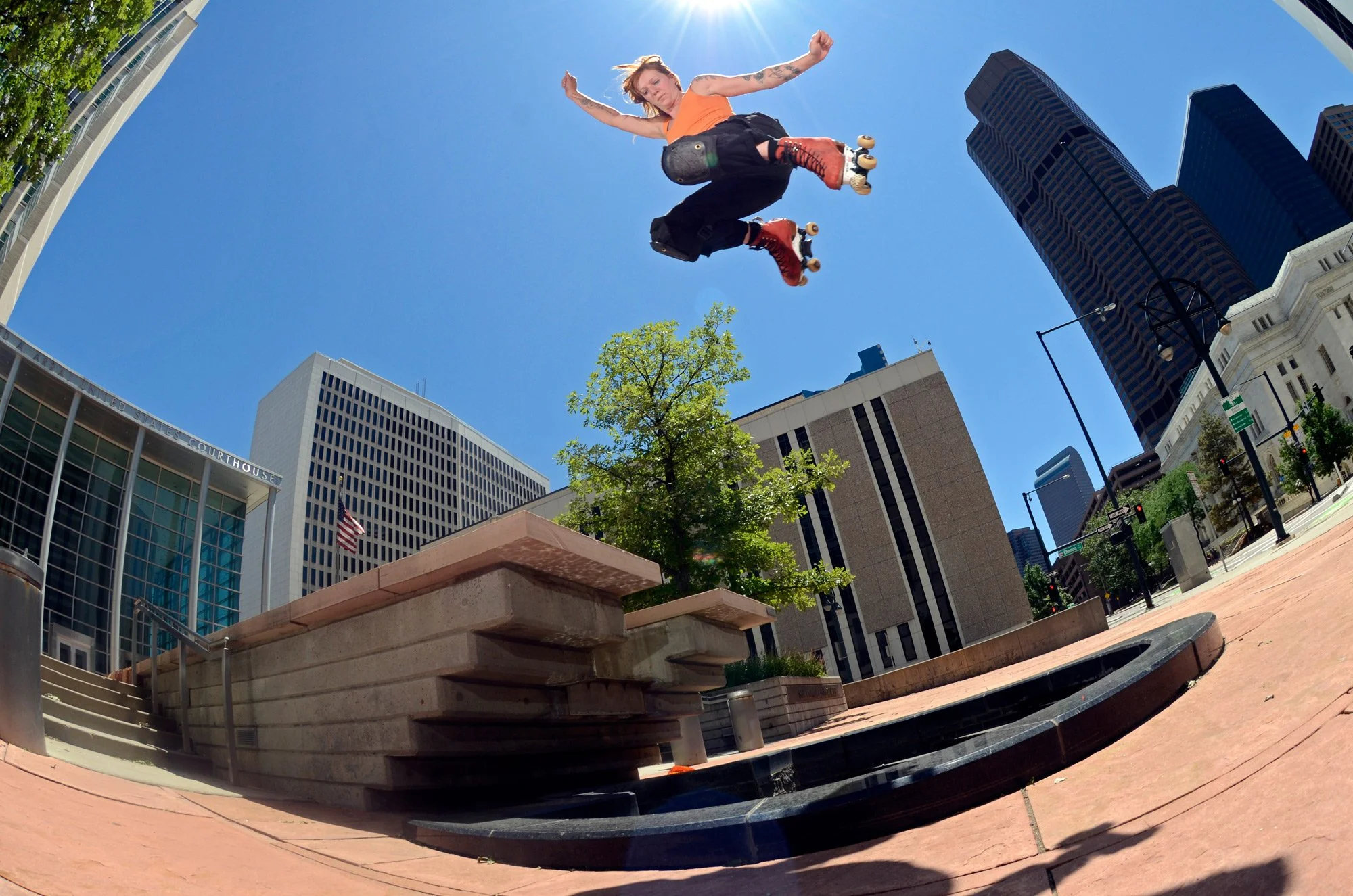
What’s your vision for Quadzilla going forward?
Well I’m getting ready to release the next issue. The school year is almost up so I’m excited for some more free time. The next big thing after the zine release is going to be an East Coast tour later this year. This will be my 3rd East Coast tour since starting the zine. I’m also exploring collaborating with photographers in cities/countries I haven’t been to yet. I can be picky with what gets published but I’ve had some really talented photographers reaching out all of a sudden.
I think I just want to keep doing what I think is cool. I want to meet people, have fun and document rollerskating. My goal with the zine is to find joy in challenging myself to create it. The purpose of the zine remains to highlight the many talents and voices of the rollerskate community.
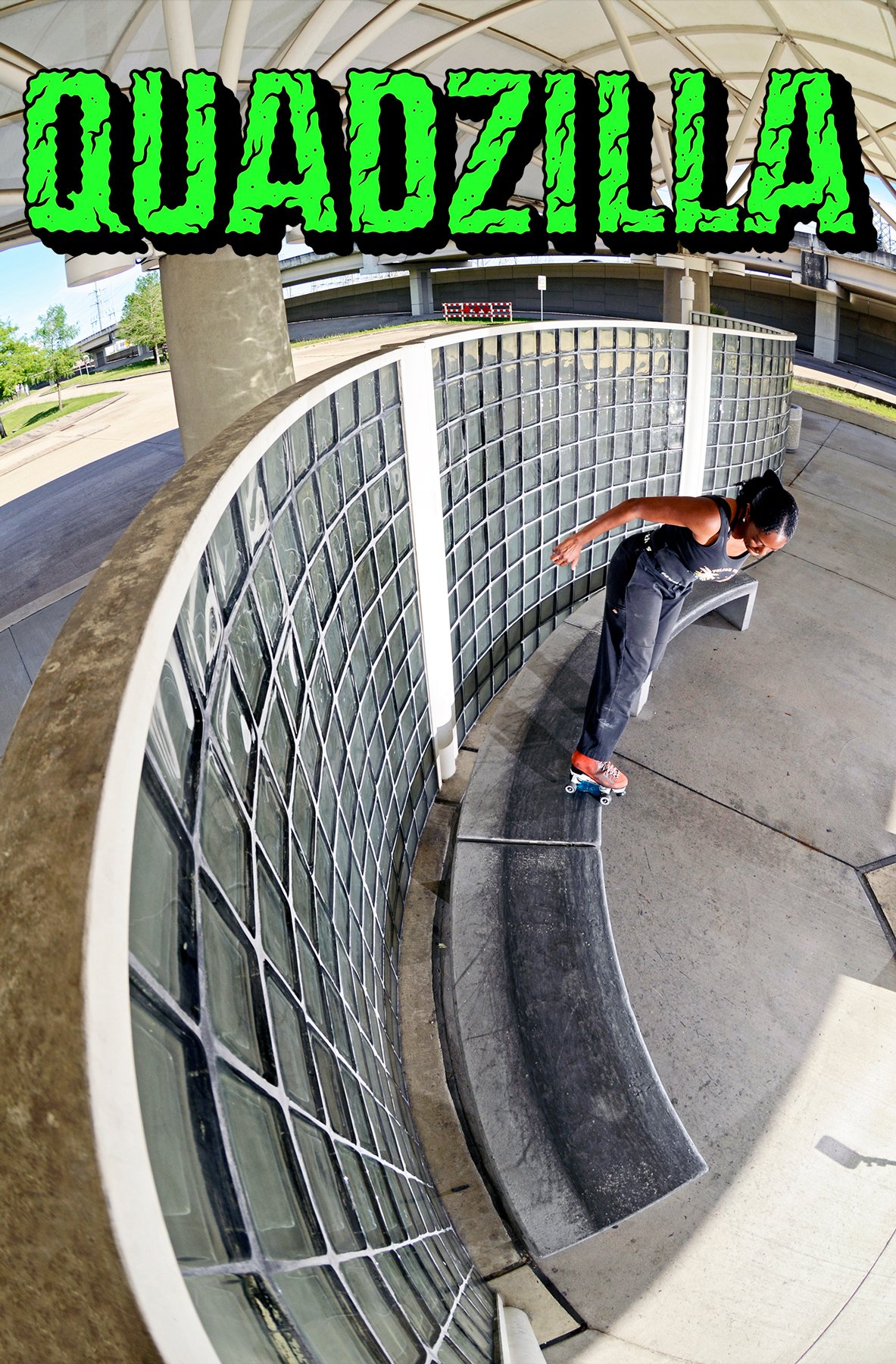
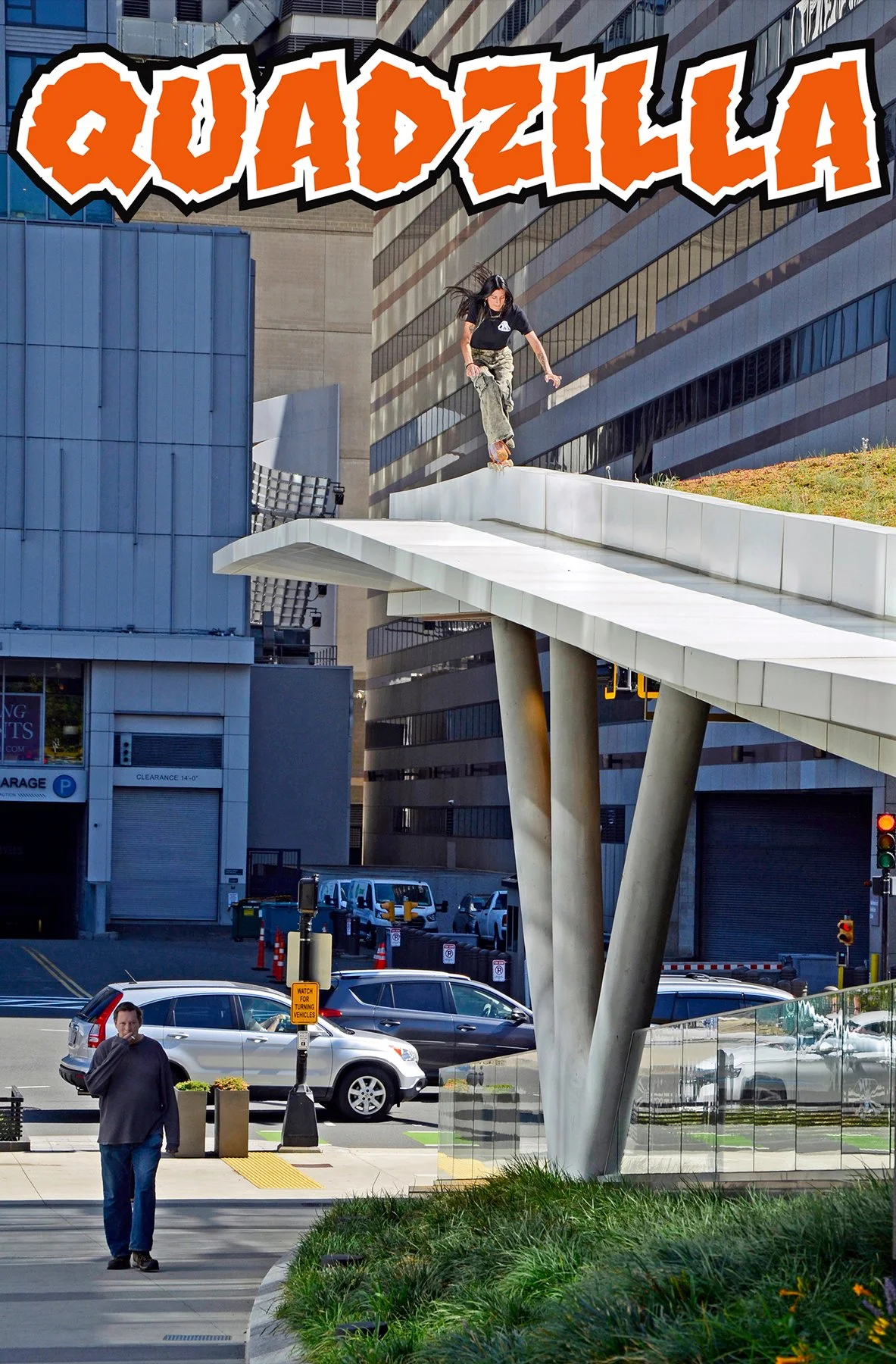
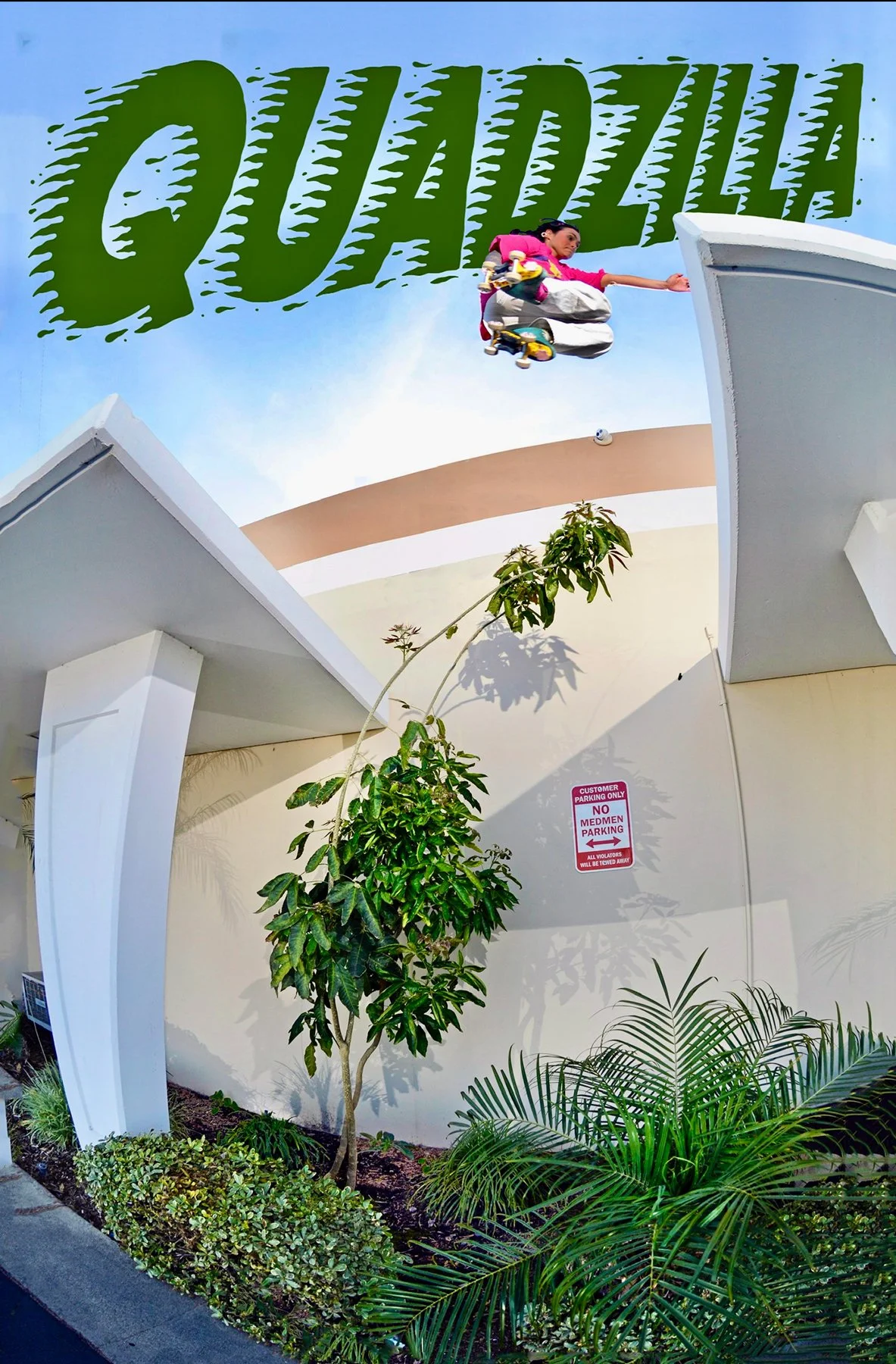
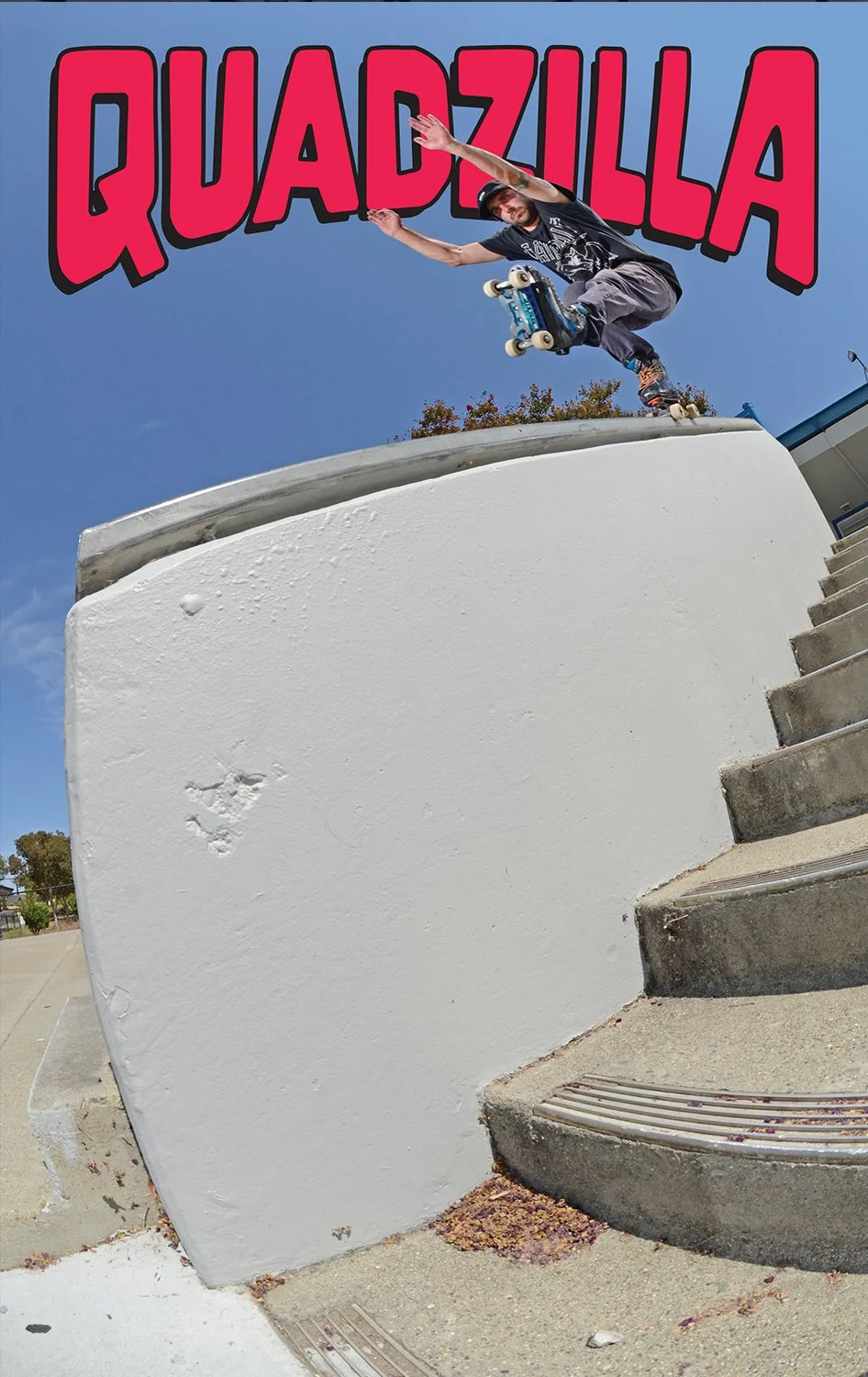
Bonus one for the road. What makes roller skating special through your lens?
What makes it special through my lens is everything that makes skateboarding special. The people, the art, the creativity, the community. Creating a rollerskating zine is a lot like creating a skateboarding zine. The main difference is that I serve more of a purpose in rollerskating. There’s 100’s of skateboarding zines. My talents are more meaningful here.
Thank you, Wes, for your time and for putting energy into something tangible for the scene. Seven issues deep is no small thing, and it shows the love behind it.
Before we go, tell us where people can find Quadzilla and how they can get a copy or support the project.
You can purchase the zine and merch from Quadzillazine.com
Submissions for art, writing or photography are always open. Just shoot me an email and I can give you more detailed guidelines.